OEM · Adapt a platform
Start with an agreed product format and tailor its identity: audio, graphics, colors and packaging. Compatibility and customization limits are reviewed first.
Prepare a project briefAn effective brief connects creative ideas with practical decisions. Build your project around a clear product, sample and production specification.
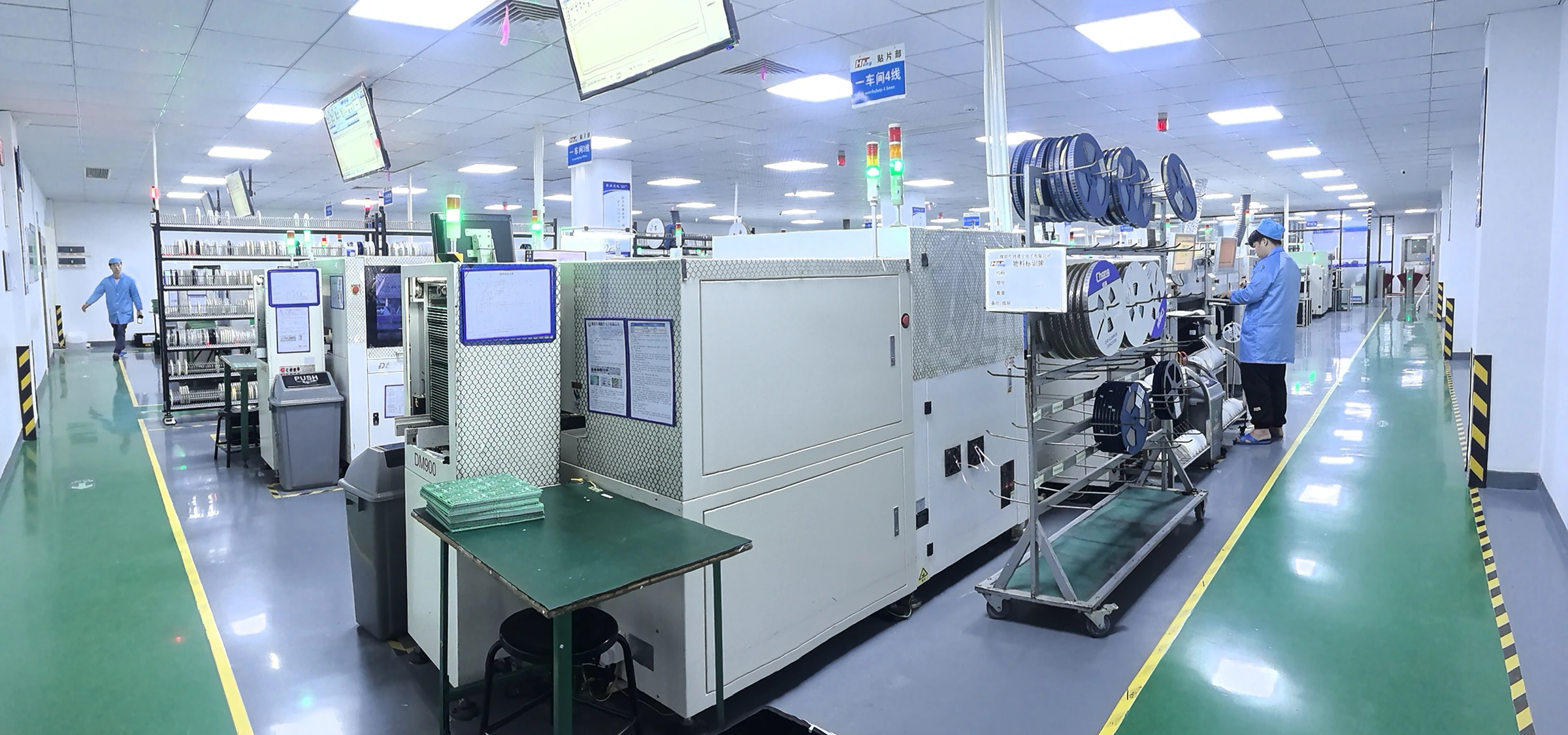 SHENZHEN XINDITAI ELECTRONICS CO., LTD.
Start with an agreed product format and tailor its identity: audio, graphics, colors and packaging. Compatibility and customization limits are reviewed first.
Prepare a project briefExplore a new enclosure, layout or interaction. Define feasibility, development stages, tooling, intellectual property and approval criteria in writing.
Prepare a project briefStart with the experience you want to create. Then align the sound, touch, identity and packaging.
Track lists, playback sequence and recording preparation.
Choose how a child triggers and controls the content.
Connect your licensed illustrations with the physical product.
Review touch, appearance and the agreed material specification.
Logo placement, box structure, instructions and labels.
Confirm intended age, destination and required documentation.
Clear decisions at each stage keep content, design and production aligned.
Define market, users, required functions and project scope.
Review form, dimensions, controls and the internal layout.
Match tracks, trigger behavior, power and speaker requirements.
Check appearance, sound and intended use on a sample.
Agree tooling ownership, pilot criteria and any design revisions.
Confirm quality gates, packaging, inspection and shipment terms.
A practical quality plan connects the approved sample to the materials, audio, assembly and delivery documents.
Explore the quality planAgree a bill of materials, component references and any required supporting records.
Check the track map, trigger sequence, playback, volume and power behavior.
Review the agreed construction, controls, appearance and sample acceptance criteria.
Confirm labeling, instructions, carton details and pre-shipment records.
Choose a starting point. Carry these details into your project brief.
Start with an existing model when its physical format fits the intended interaction. List the changes to artwork, audio, controls and packaging separately so each can be reviewed.
A new enclosure or new behaviour needs a feasibility discussion. Confirm the prototype deliverables, tooling ownership, revision limits and approval responsibilities in writing.
Prepare one approved file for each track. Add the button or card identifier, language, playback order and a pronunciation reference where needed. Keep filenames and revisions consistent.
Connect the artwork to actual dimensions and control positions. Ask for the relevant template, then review the printed proof, enclosure or fabric sample before approving the final appearance.
Record the sample identifier and list open points by function, appearance and packaging. Agree which changes need a revised sample and who signs off the production reference.
Open a model for the supplied specifications. Customisation, availability and final configuration are confirmed for each project.
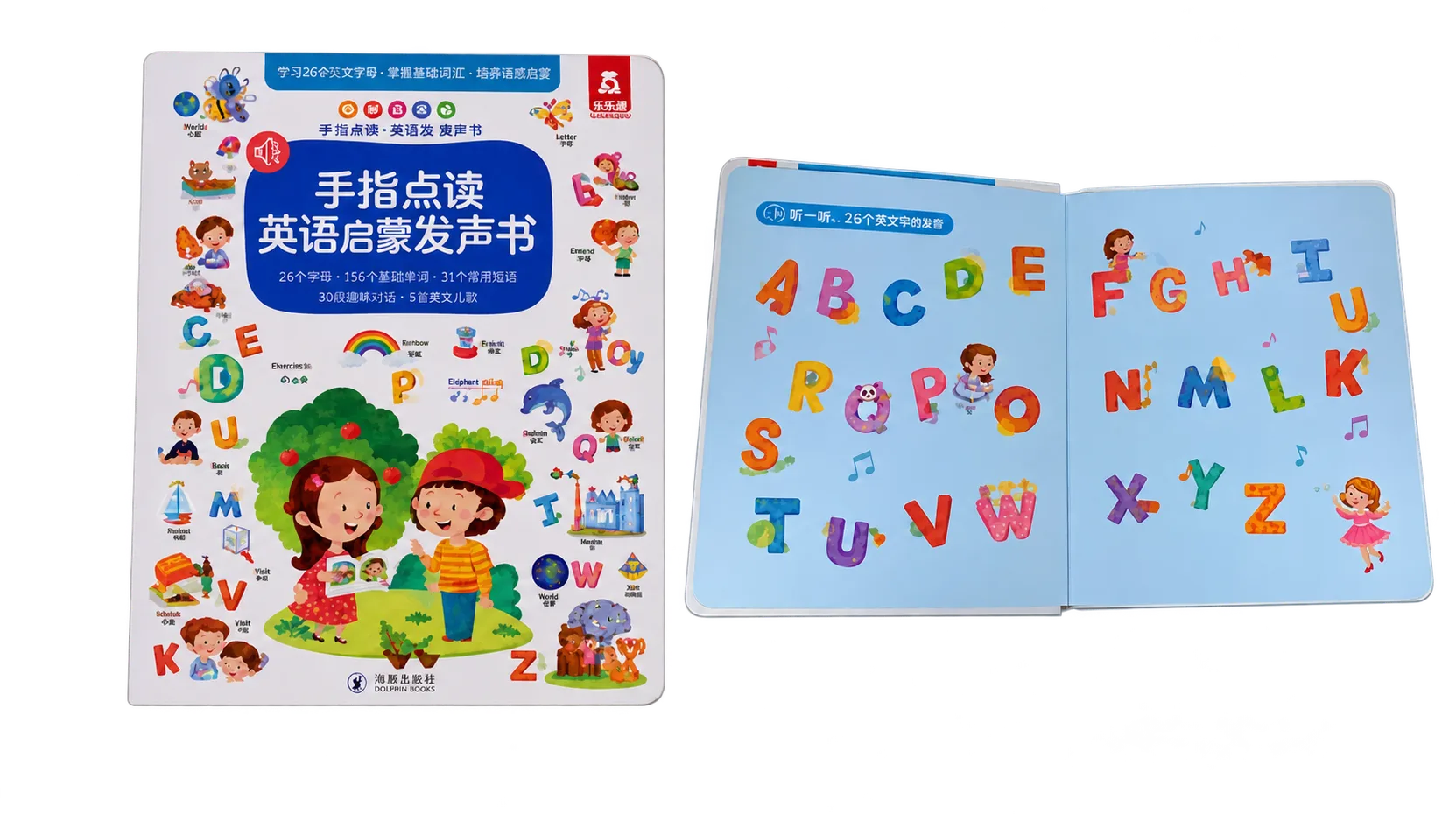
Stories that respond to a touch
Explore product ↗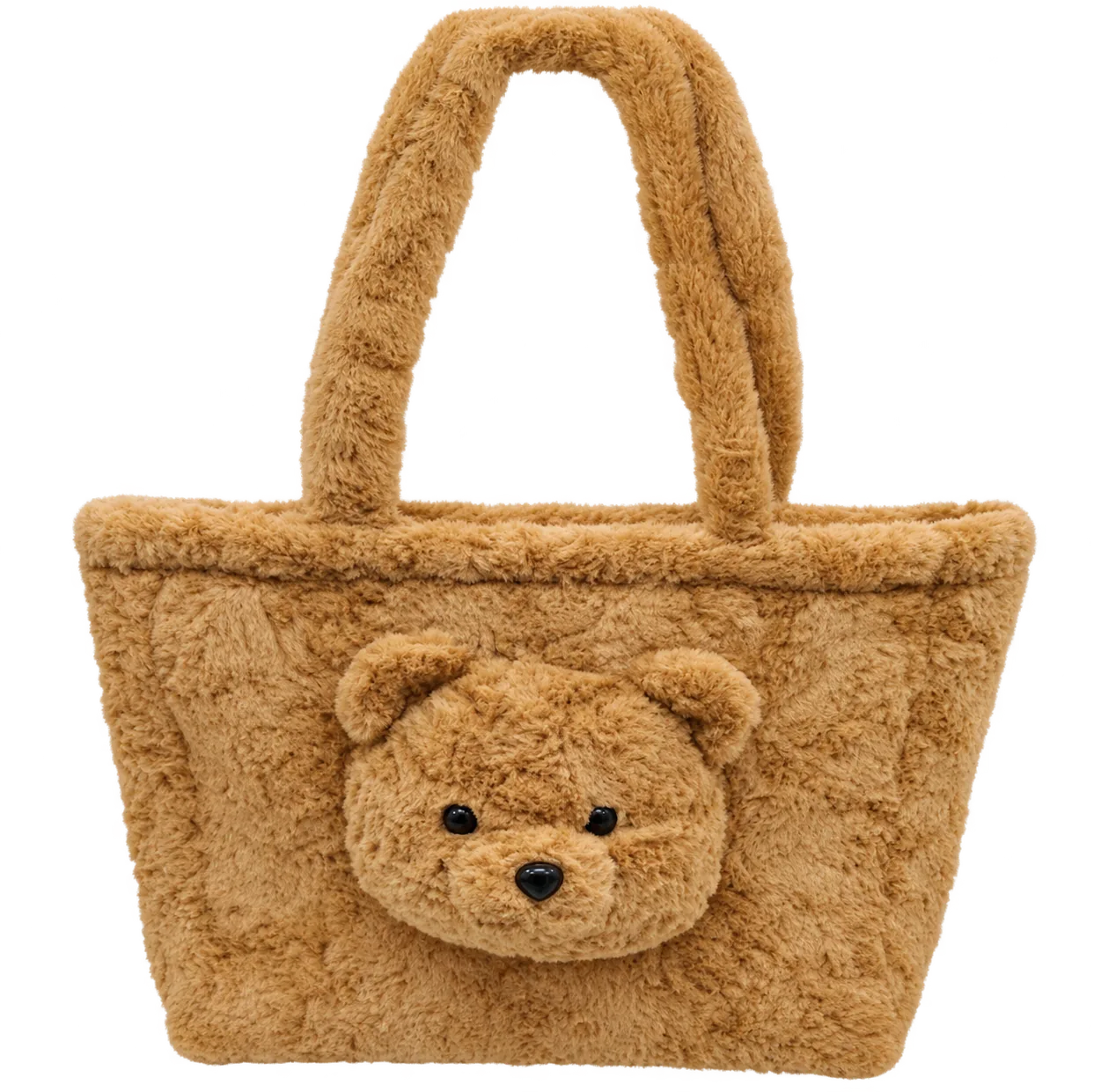
A character, a voice and a clear response
Explore product ↗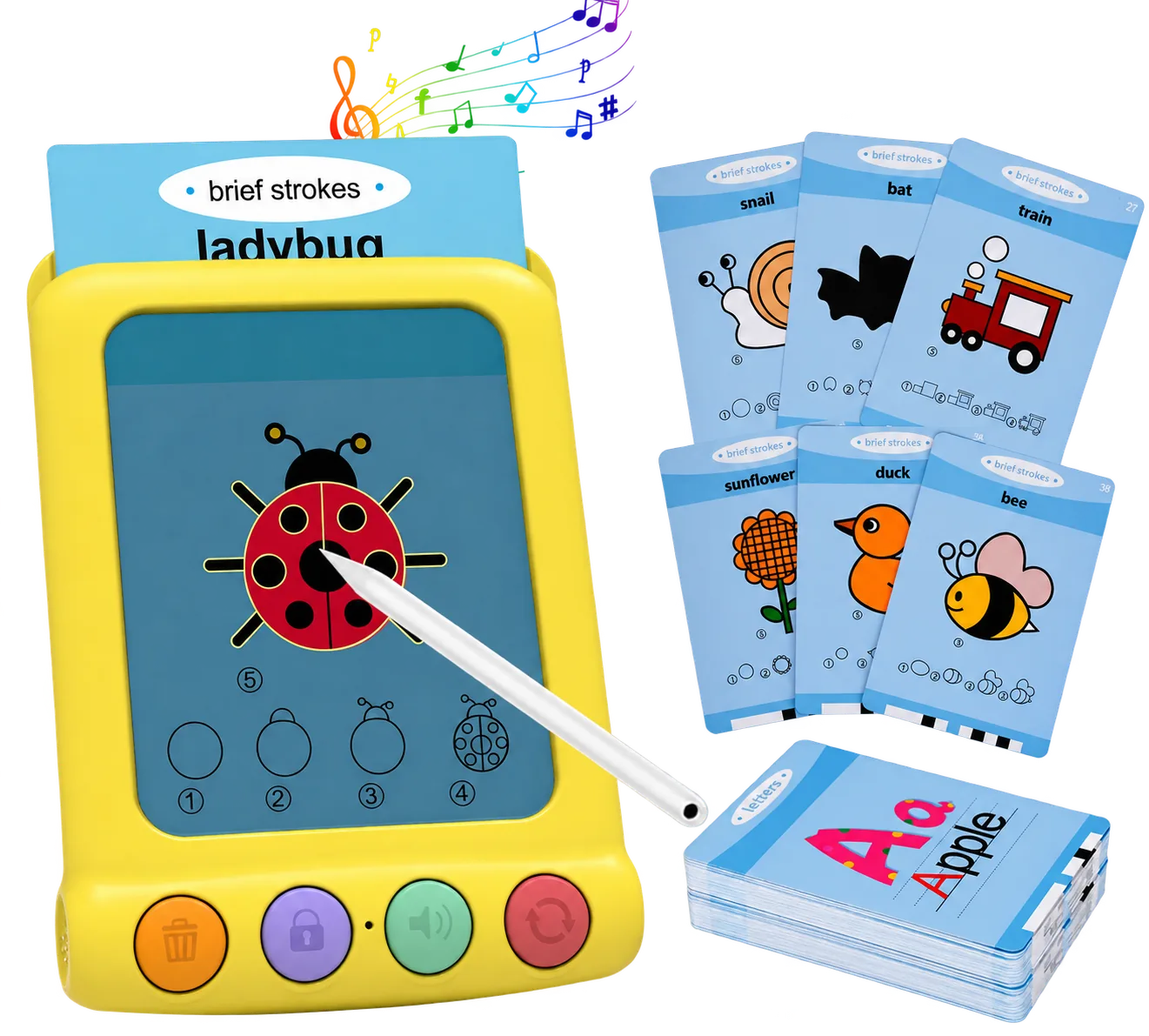
Turn a learning activity into an interaction
Explore product ↗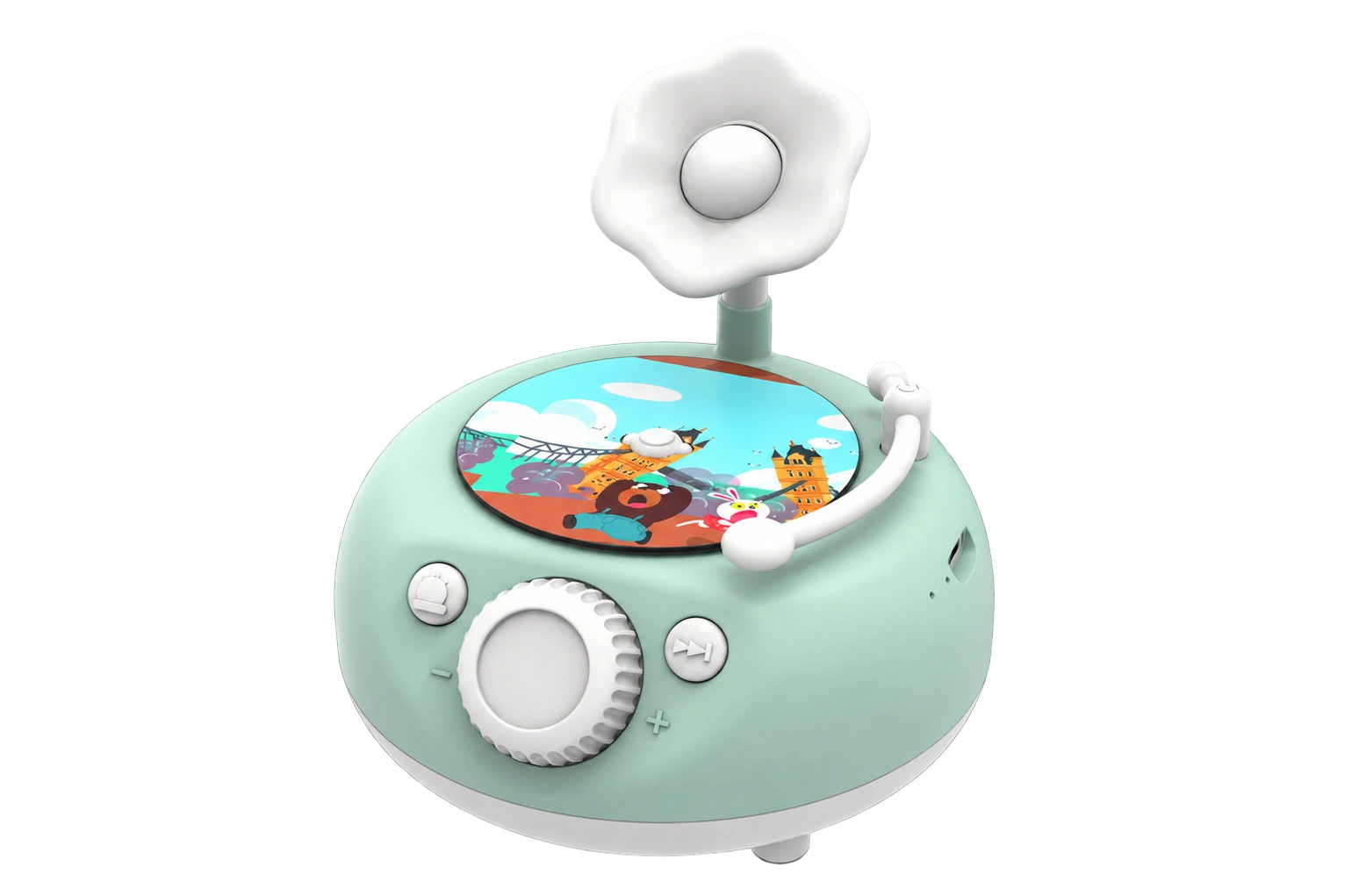
Give your audio library a physical home
Explore product ↗Share your idea, target market and the details that matter.