Answers for your next audio-product project
Clear starting points for product selection, development, audio localization and sample review.
 SHENZHEN XINDITAI ELECTRONICS CO., LTD.
How to develop a custom sound book?
A sound book project connects editorial content, printed pages and audio hardware. Start with the intended reader, the reading situation and the action that should produce a sound. A single song on the cover, a bank of picture buttons and page-by-page playback are different product briefs. Choose the interaction before finalising the artwork: the button area and speaker housing affect the usable page layout.
Read the guide ↗Choosing a sound module for your product?
Start by describing what the user does: press a button, open a page, pull a tab or move a component. Then define what should happen when the action is repeated. Playback that restarts, continues or moves to the next track requires different behaviour. A module should be selected against that behaviour, not merely because its circuit board looks similar to a catalogue image.
Read the guide ↗Developing a custom plush audio companion?
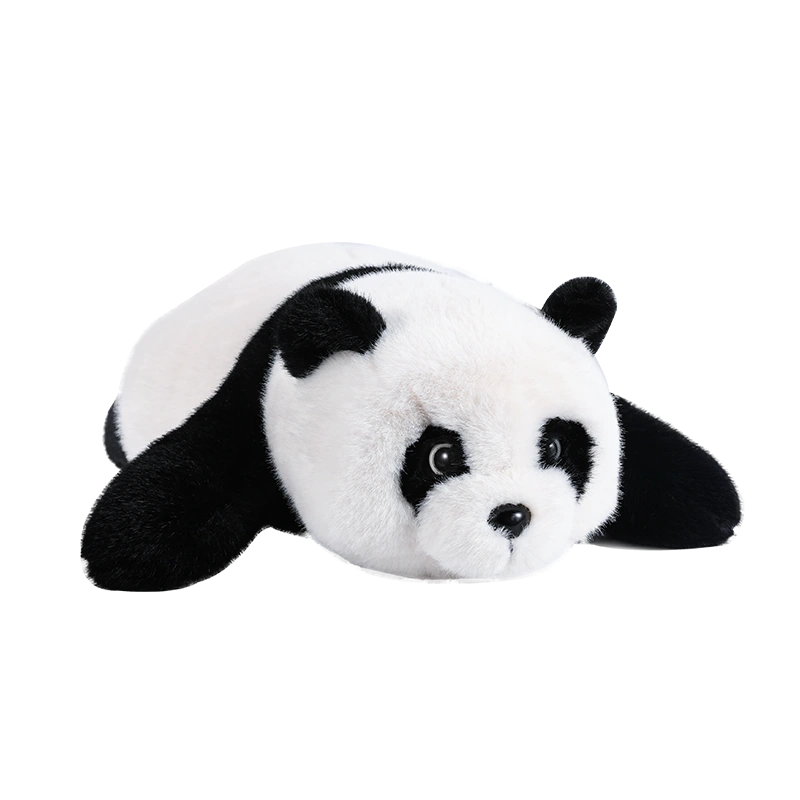
Define both what the character should look like and how it should respond. A plush toy playing a fixed message is a different project from a connected conversational product. Document the intended actions, content and controls before choosing an appearance. A character rendering is a visual reference; it does not prove that electronics, connectivity or software have already been developed for that design.
Read the guide ↗An audio localization checklist for children’s products?
The language of the website, printed artwork and loaded audio are separate decisions. An English product page does not establish the recording language inside a sample. Make a version matrix covering the market, artwork language, audio language, packaging and instructions. Assign a clear version name so a translated product cannot be confused with the master edition.
Read the guide ↗From first sample to an approved production reference?
An appearance mock-up, an engineering sample and a production reference answer different questions. State what is being evaluated at each stage and which limitations are still open. This avoids approving an early visual model as though it confirms final audio, materials or packaging. Photograph the received sample and identify its revision before beginning the review.
Read the guide ↗What to include in an OEM / ODM quotation brief?
Begin with the intended user, sales channel and destination market. Include a product reference or drawing and explain what should remain unchanged. A request for a sound book, a plush toy and an electronic module can involve very different work even when all three play audio. Clear context helps the team identify the right starting platform and the questions that need an engineering review.
Read the guide ↗Planning a talking flashcard or learning-reader product?
Start with the content structure: words, pictures, phrases, songs or another defined learning activity. Decide what the learner should do with a card and what feedback is expected. The number of printed cards does not by itself define the number of unique interactions. Clarify repeated content, alternate sides and any sequence or mode selection before reviewing enclosure colours.
Read the guide ↗Defining the scope of a connected or AI audio toy?
Fixed recordings, local recording and cloud-connected conversation are distinct product architectures. Begin by naming the experiences the product must support and what it should do without a connection. The phrase AI toy does not define hardware, service provider, content policy or user experience. A plush character image should never be treated as proof that any particular connected feature is included.
Read the guide ↗Let’s make something
worth listening to.
Share your idea, target market and the details that matter.