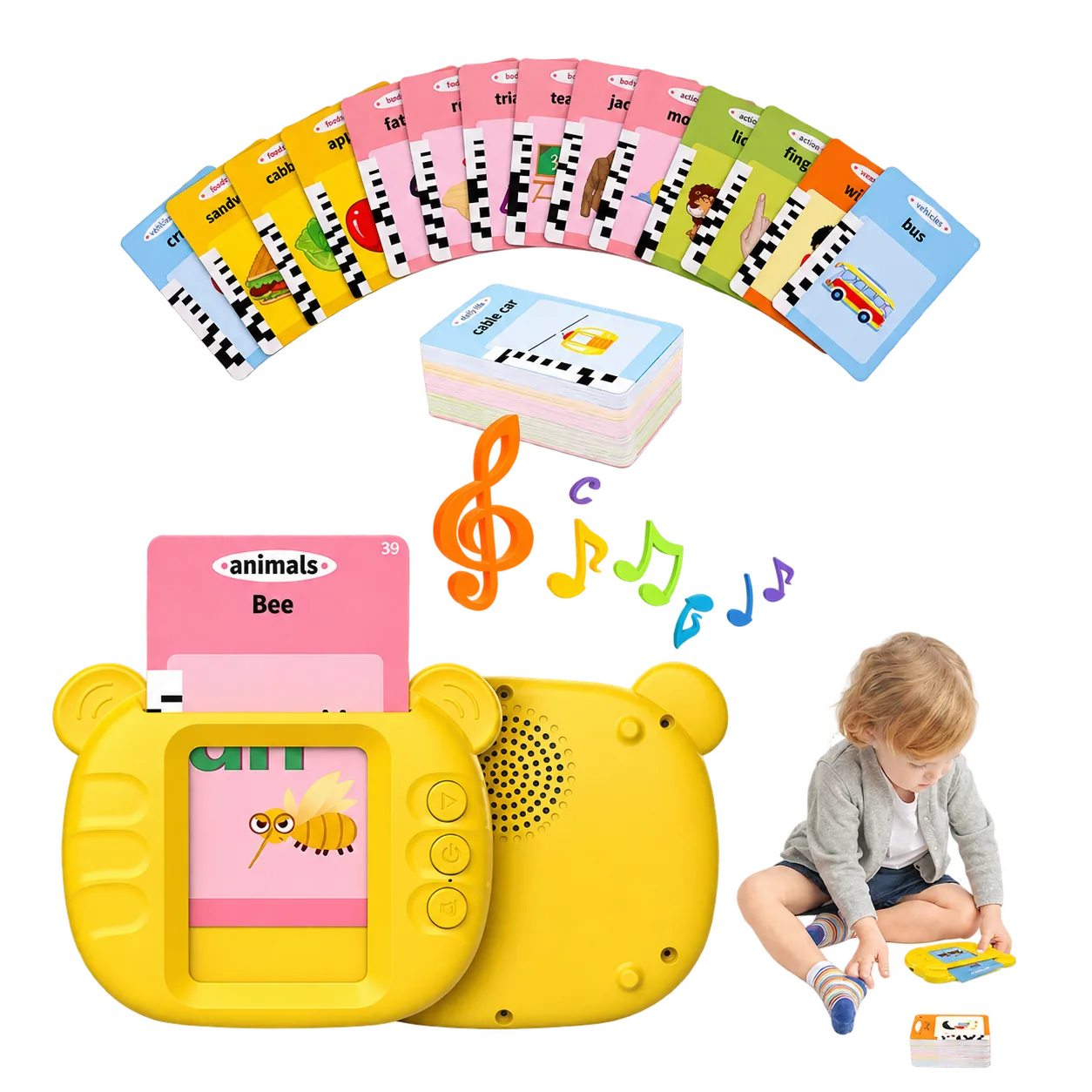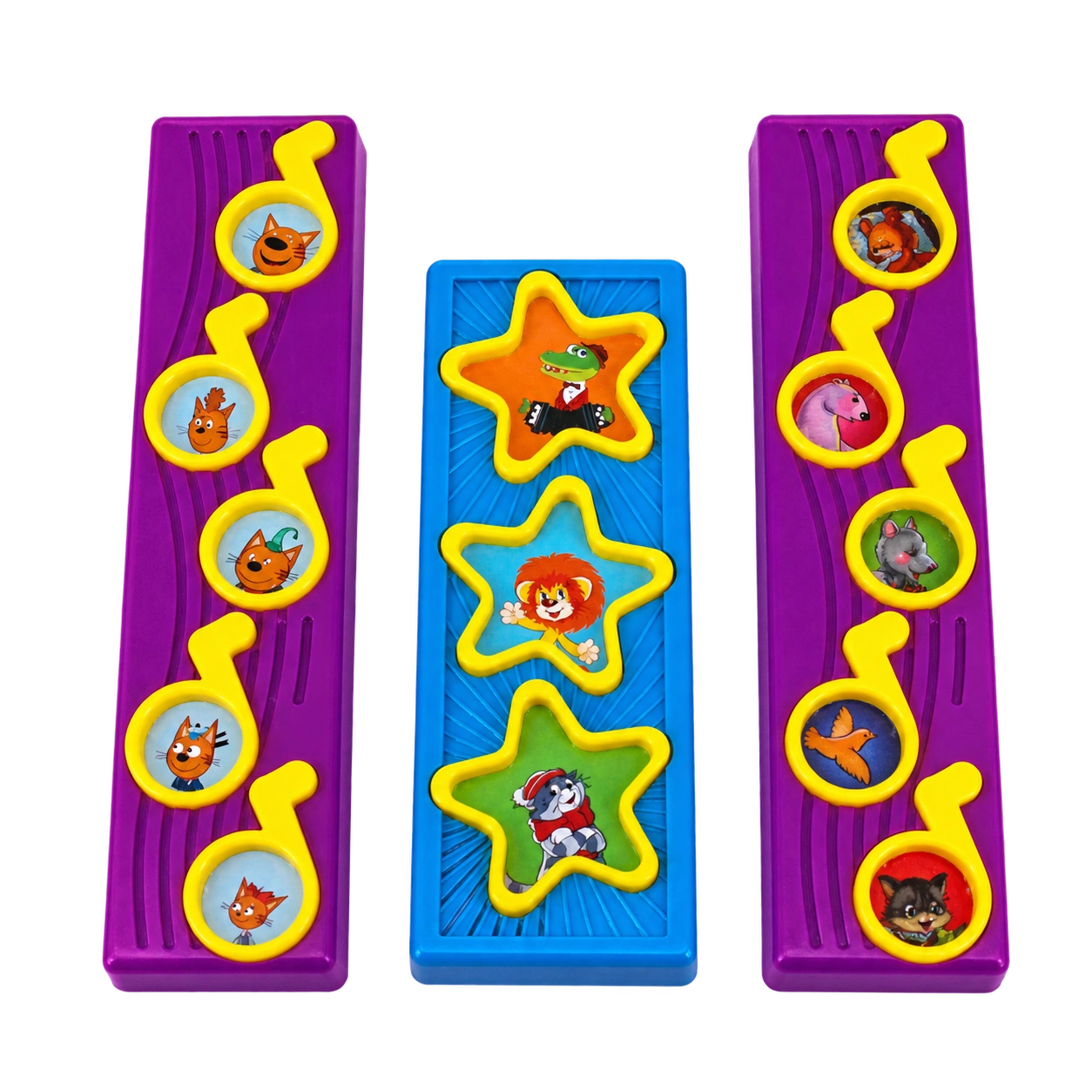
Start by describing what the user does: press a button, open a page, pull a tab or move a component. Then define what should happen when the action is repeated. Playback that restarts, continues or moves to the next track requires different behaviour. A module should be selected against that behaviour, not merely because its circuit board looks similar to a catalogue image.
Describe the audio workload
List the number of recordings, their approximate lengths, language editions and expected update method. Fixed content, recordable messages and downloadable content have different development needs. Ask which formats and loading process are supported by the proposed configuration. Supply a representative set of real files before sample approval rather than relying on a single short demonstration sound.
Define the installation envelope
Provide the available space, button positions, cable routes, speaker location and battery access. A board that fits by itself may not fit once the speaker, wiring and fasteners are included. Review the product in its assembled condition. Where several sound points are used, confirm the mapping and the orientation of the connection points on the drawing.
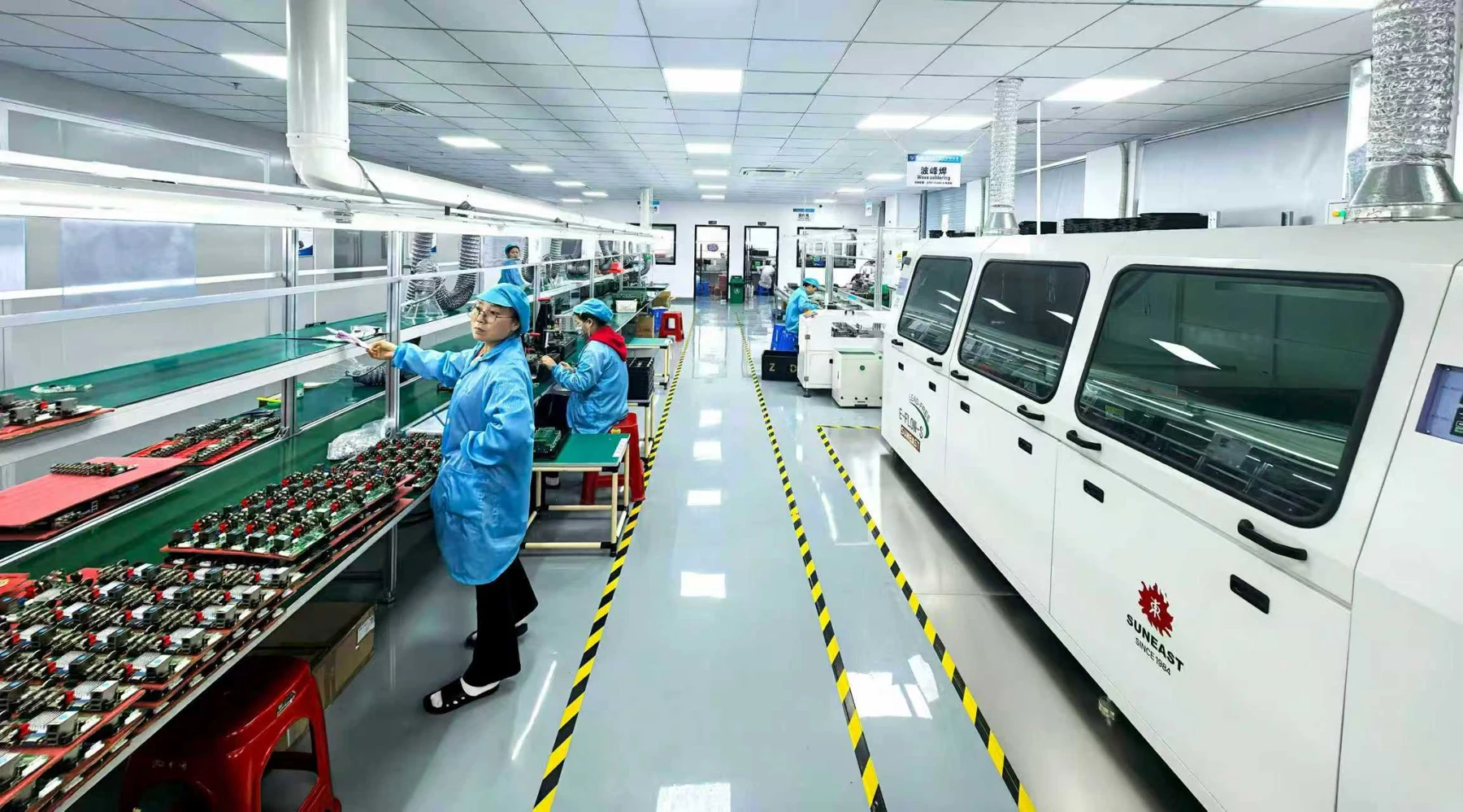
Agree the power and service approach
Discuss the power source, replacement or charging access, expected use pattern and storage conditions. These are requirements to validate, not assumptions established by a photograph. If a rechargeable configuration is proposed, include charging behaviour and the supplied accessories in the sample review. Keep claims about operating time tied to agreed test conditions and verified results.
Create a repeatable acceptance test
Write a short sequence that exercises every trigger and audio file. Include repeated actions and a power interruption where relevant. Test the module inside the intended enclosure, since mounting can affect controls and sound. Record the approved board revision and firmware or audio version. Product changes should refer back to that approval rather than being treated as an invisible substitution.
Plan your project
- Trigger type and file sequence
- Audio workload and loading method
- Power, speaker and installation constraints
Editorial guidance for project planning. Product specifications and assessment plans are agreed for the actual configuration.