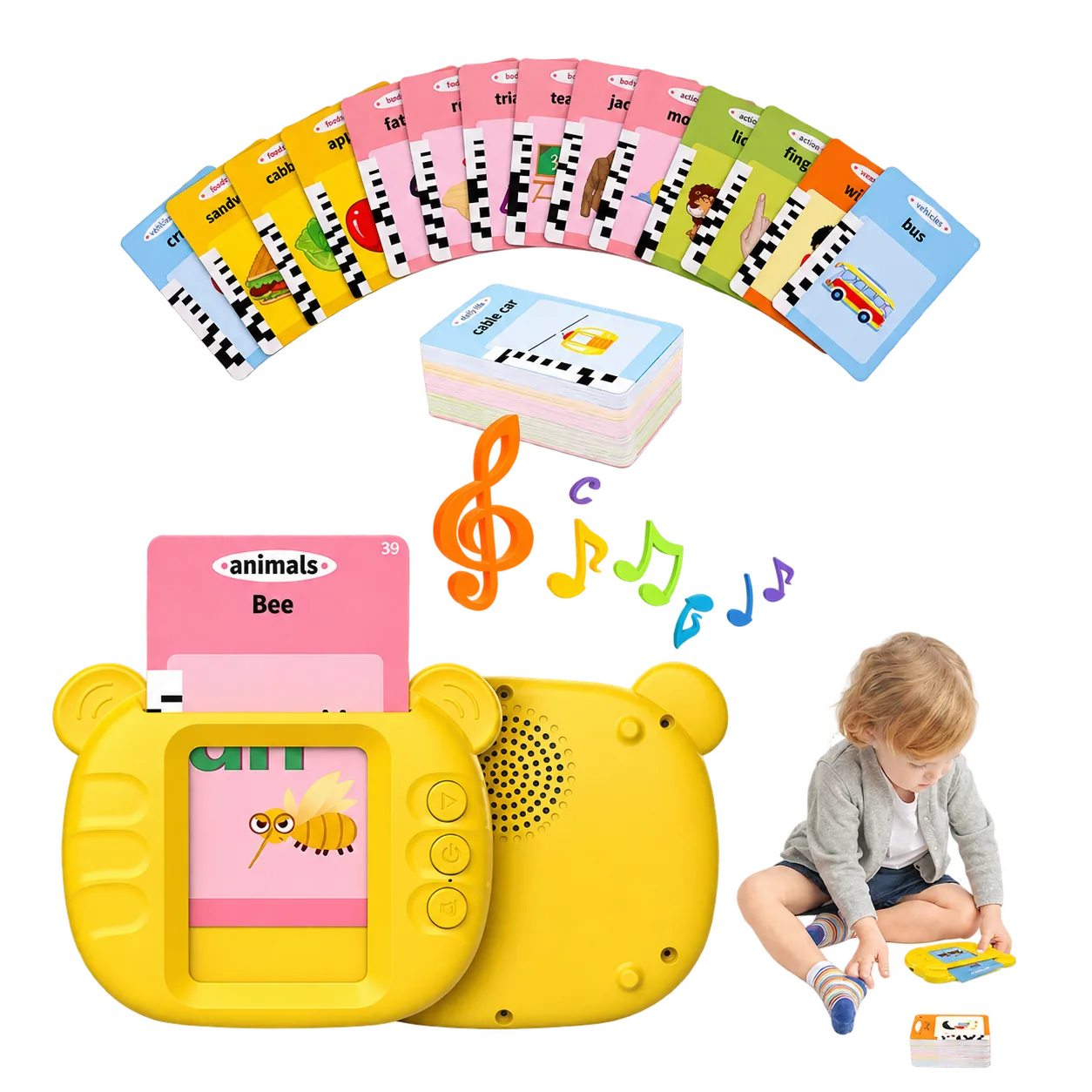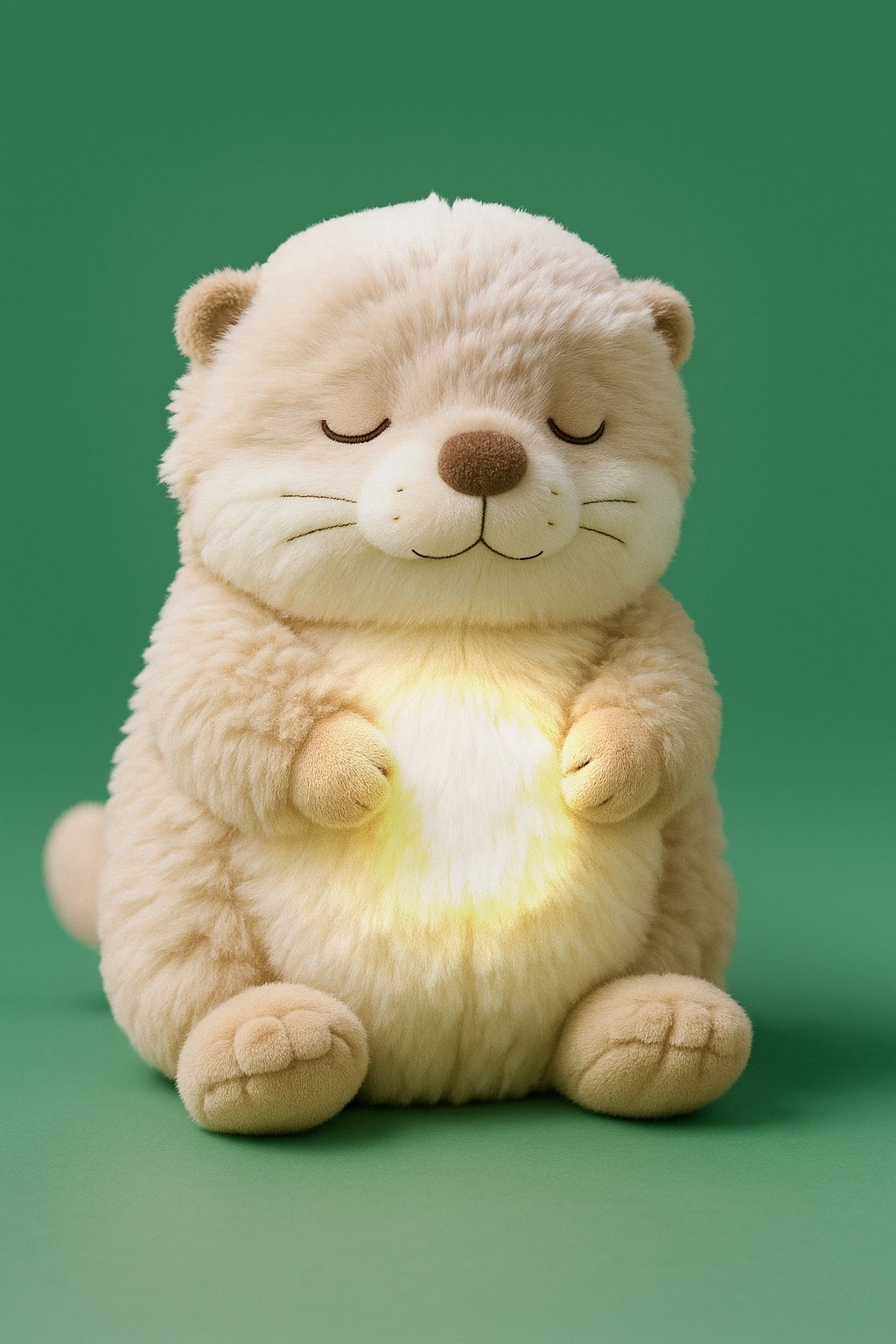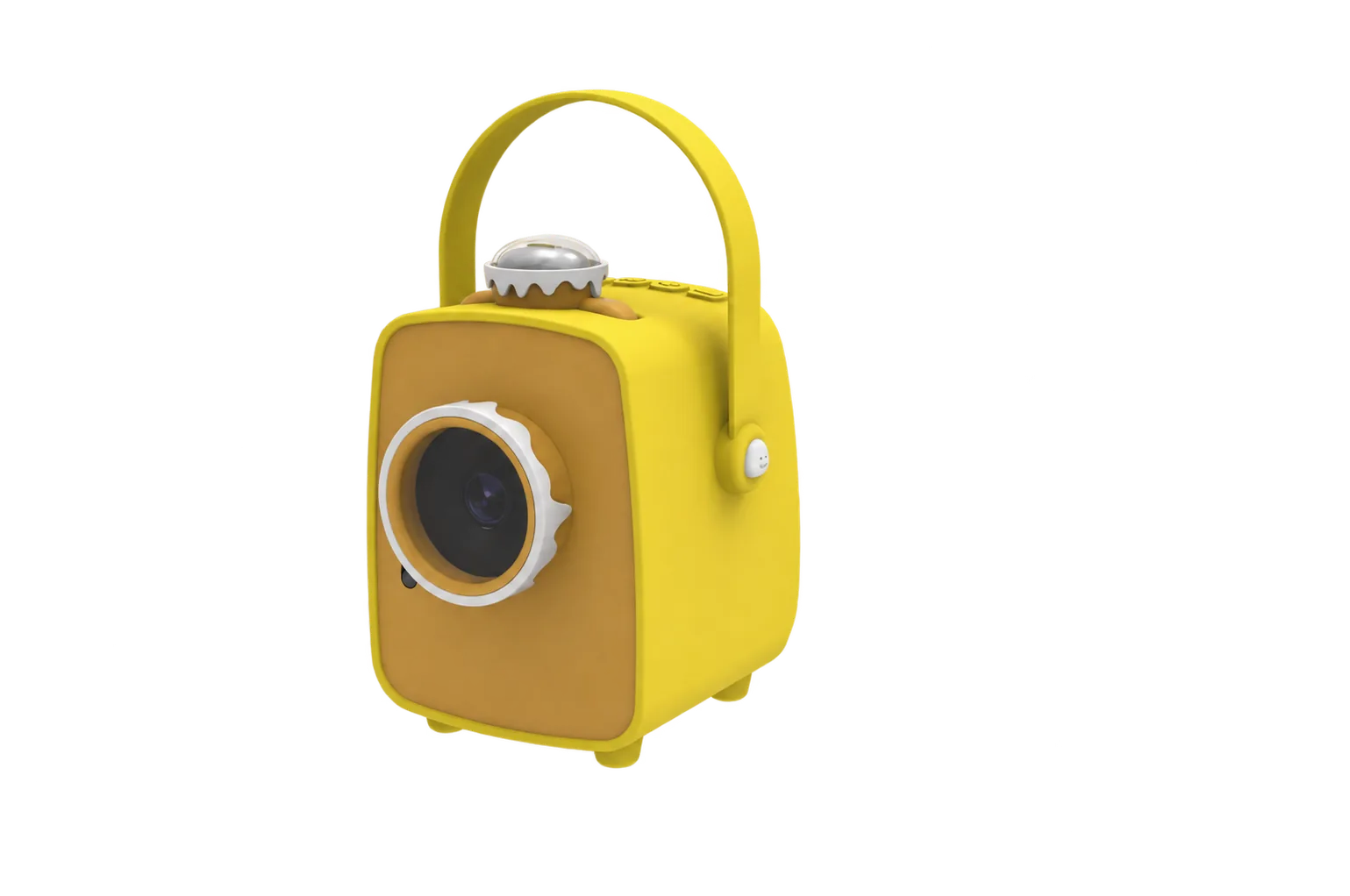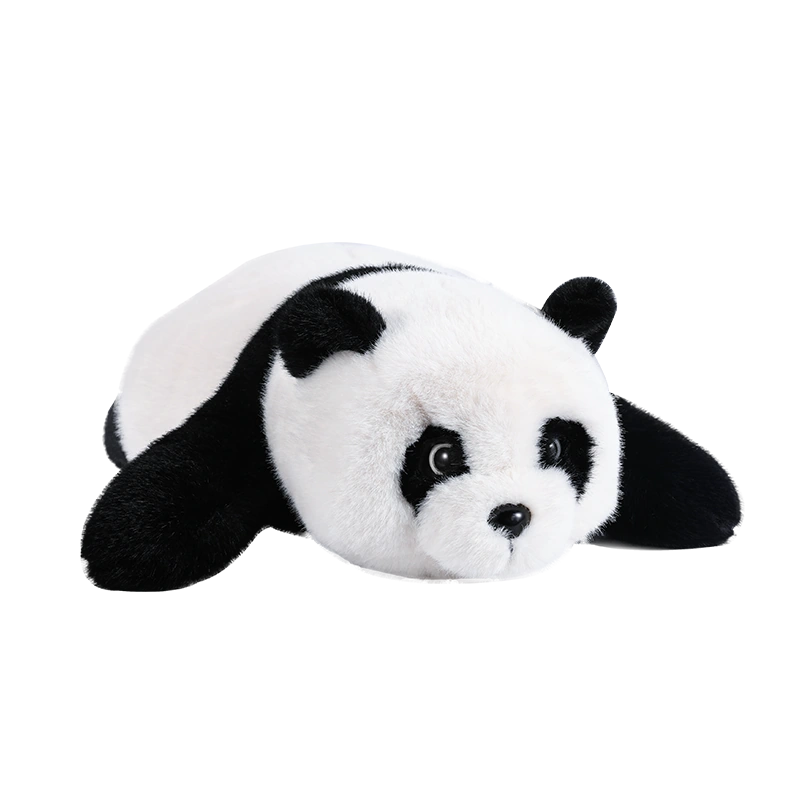
Define both what the character should look like and how it should respond. A plush toy playing a fixed message is a different project from a connected conversational product. Document the intended actions, content and controls before choosing an appearance. A character rendering is a visual reference; it does not prove that electronics, connectivity or software have already been developed for that design.
Translate the design into a physical sample
Review front, side and rear views, proportions, fabric direction, embroidery and the placement of features. Decide which details are essential to the character identity and which can change during sampling. Compare a physical sample with the approved artwork under consistent lighting. A flat picture alone cannot settle softness, seam feel or the way a character holds its pose.
Plan electronics placement early
Reserve space for the audio assembly, controls and power source. Discuss how the speaker opening, fabric layers and stuffing affect the listening experience. Agree access for loading content and servicing the configured electronics. Do not postpone these decisions until the outer plush sample is complete, because changes inside can alter shape, balance and assembly.
Define content and care boundaries
Supply approved recordings or a documented content plan and clarify language editions. Agree the product-specific care method and any removable components before writing packaging instructions. Do not assume an electronic plush toy can be washed like an ordinary soft toy. Connected versions need a separate discussion of software ownership, setup, accounts and ongoing service responsibilities.
Approve the whole retail configuration
Assess appearance, audio, control positions, labels, instructions and packaging as one configuration. Keep an approved sample and a revision log. Confirm the target market, intended user group and assessment plan with the project team. Pricing and delivery should refer to this complete specification, including any accessories or software scope, rather than to a character photograph alone.
Plan your project
- Character proportions, fabrics and embroidery
- Control positions, speaker placement and power access
- Approved content, languages and software scope
Editorial guidance for project planning. Product specifications and assessment plans are agreed for the actual configuration.