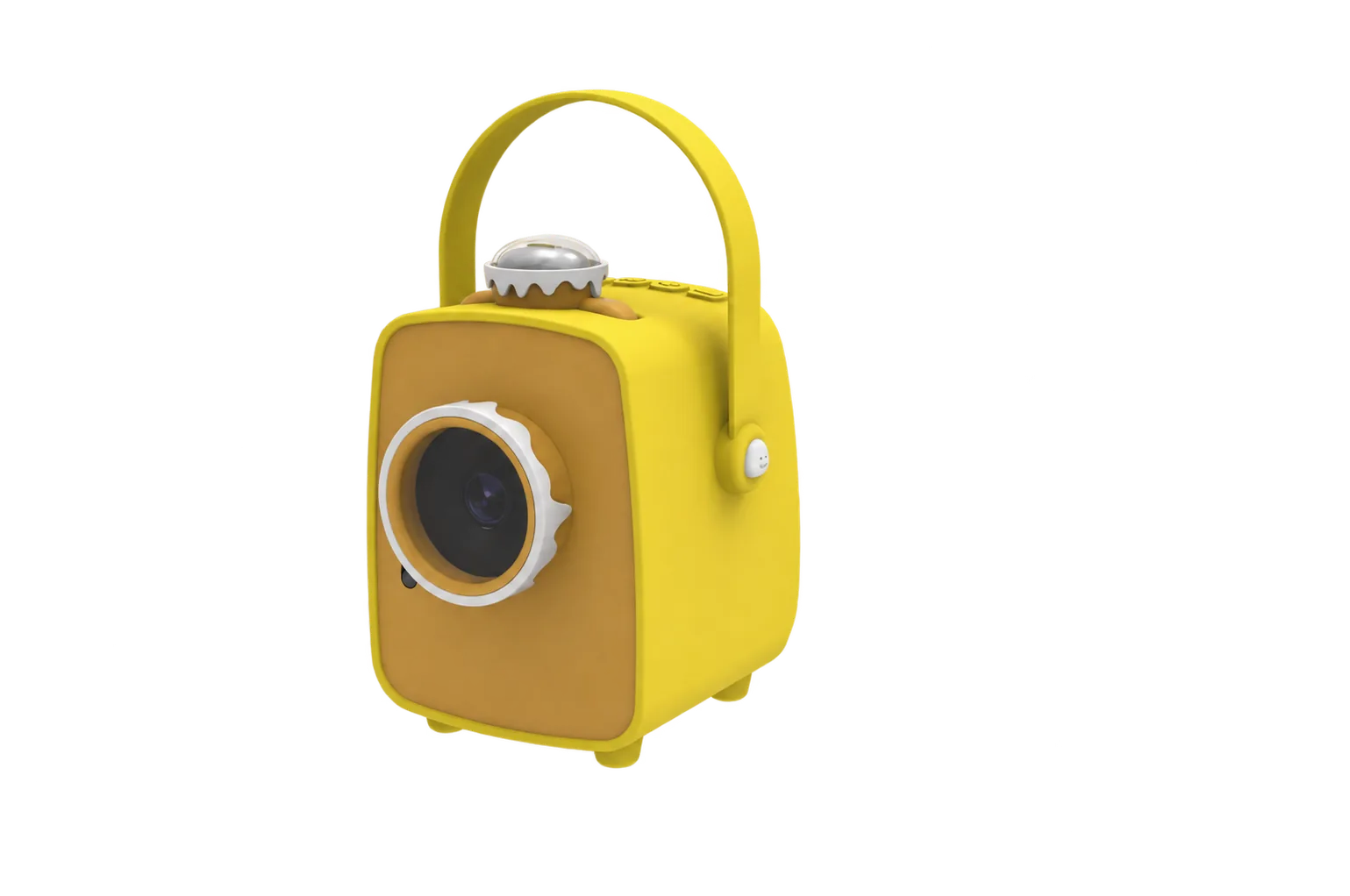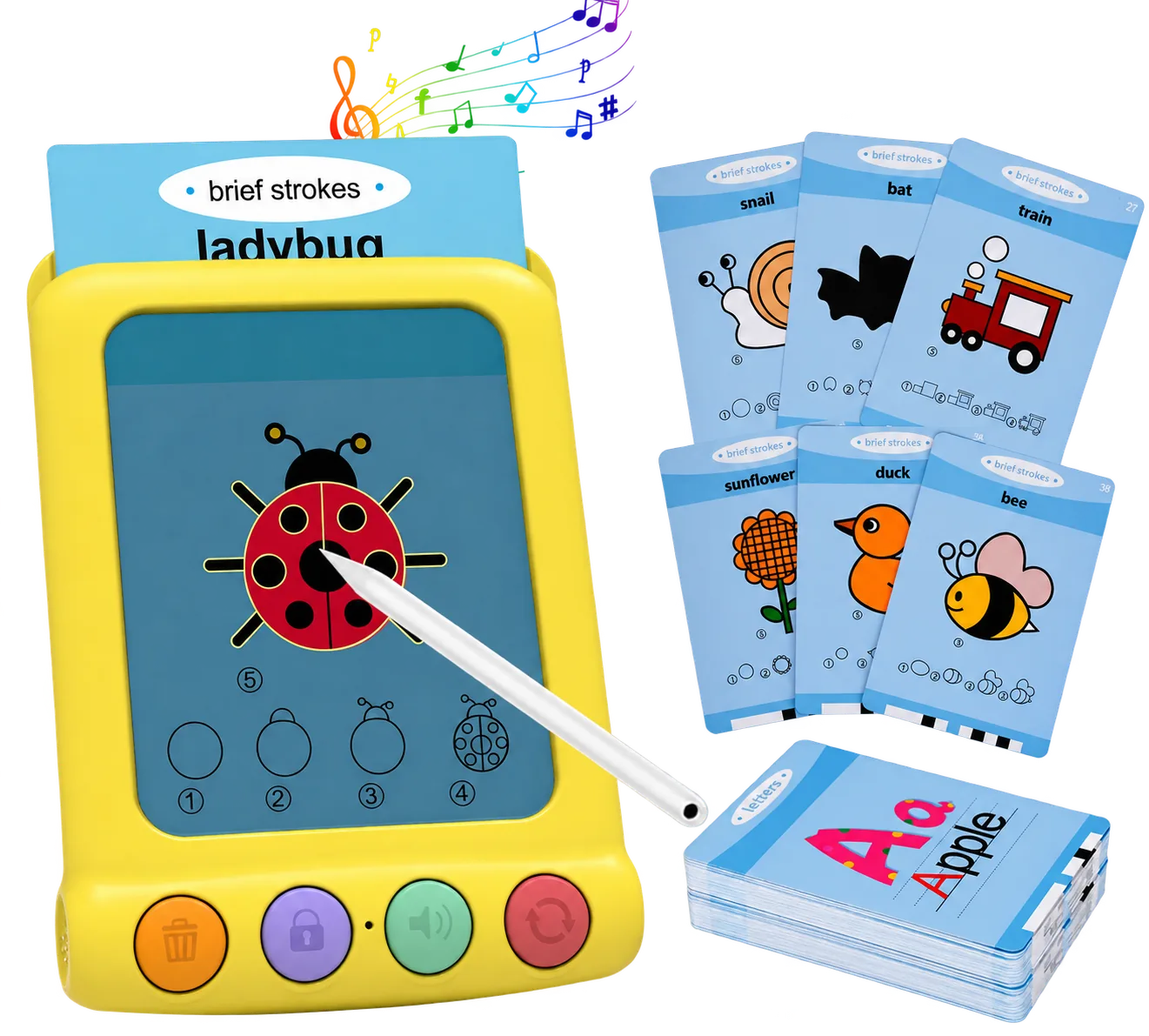
An appearance mock-up, an engineering sample and a production reference answer different questions. State what is being evaluated at each stage and which limitations are still open. This avoids approving an early visual model as though it confirms final audio, materials or packaging. Photograph the received sample and identify its revision before beginning the review.
Write the functional test sequence
List each user action and the expected response. Include every track or content group, repeated operation, power controls and any indicators specified for that configuration. For card products, check the mapping between the printed card and played content. For a book, test the assembled pages and panel together. A video of one button playing is not a complete functional acceptance record.
Inspect the assembly and presentation
Review alignment, print, embroidery, controls, seams, fasteners and the agreed finish. Check that instructions and packaging match the received configuration. Where a feature cannot be verified visually, record the evidence or assessment needed. Define the relevant market and intended user with the project team; photographs of a test room are not product-specific compliance documentation.

Maintain one controlled approval package
Keep the sample identifier, annotated images, audio manifest, artwork revision, hardware configuration and agreed deviations together. Name who can approve changes and how revisions will be communicated. If several reviewers are involved, consolidate their comments before asking for a revision so the supplier receives a single, coherent instruction set.
Define what happens after approval
Agree which checks will be repeated during production and before shipment, what records will be provided and how discrepancies are handled. Confirm which changes require a replacement sample. Inspection plans and acceptance criteria should be discussed for the actual order rather than borrowed from an unrelated product category. Keep the approved reference accessible for later comparisons.
Plan your project
- Trigger type and file sequence
- Audio workload and loading method
- Power, speaker and installation constraints
Editorial guidance for project planning. Product specifications and assessment plans are agreed for the actual configuration.