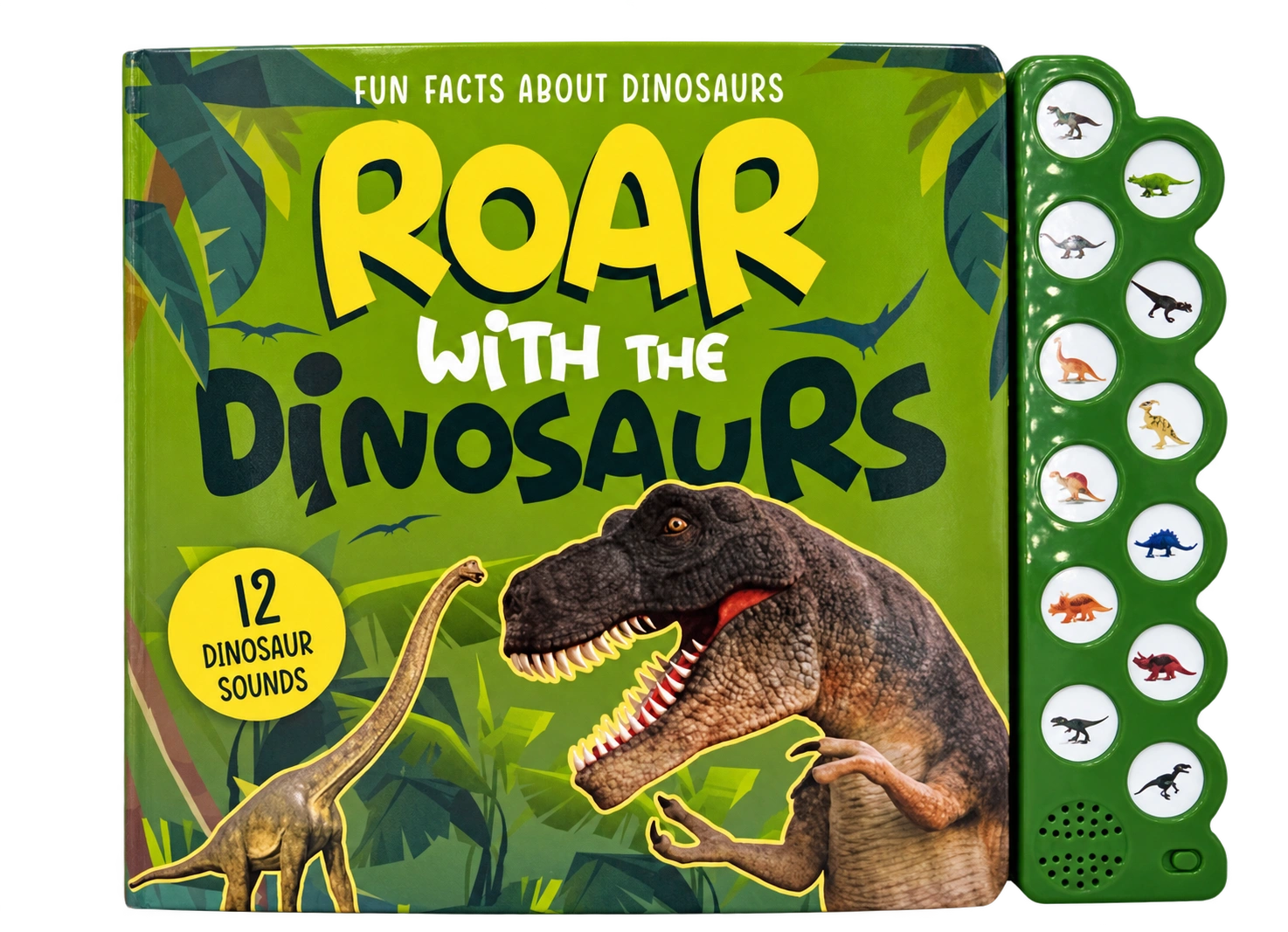
 Product reference
Sound Board Book
SB-002
Explore this collection of children’s audio products. Discover the formats, choose your preferred design and contact our team to discuss your project.
Sound booksNo products match your search. Try another term or clear the filters.
Product referenceSB-002
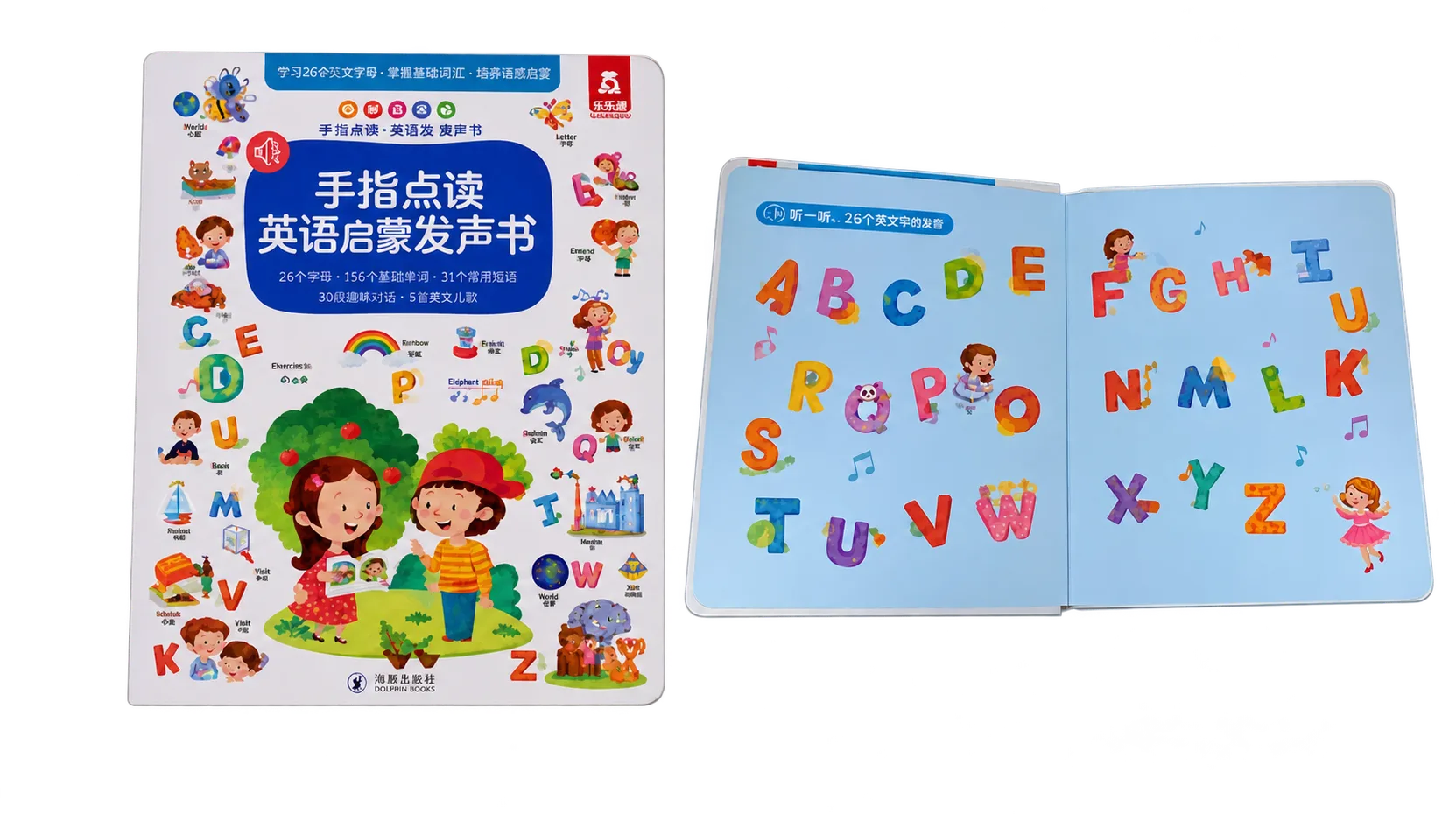 Product reference
SB-003
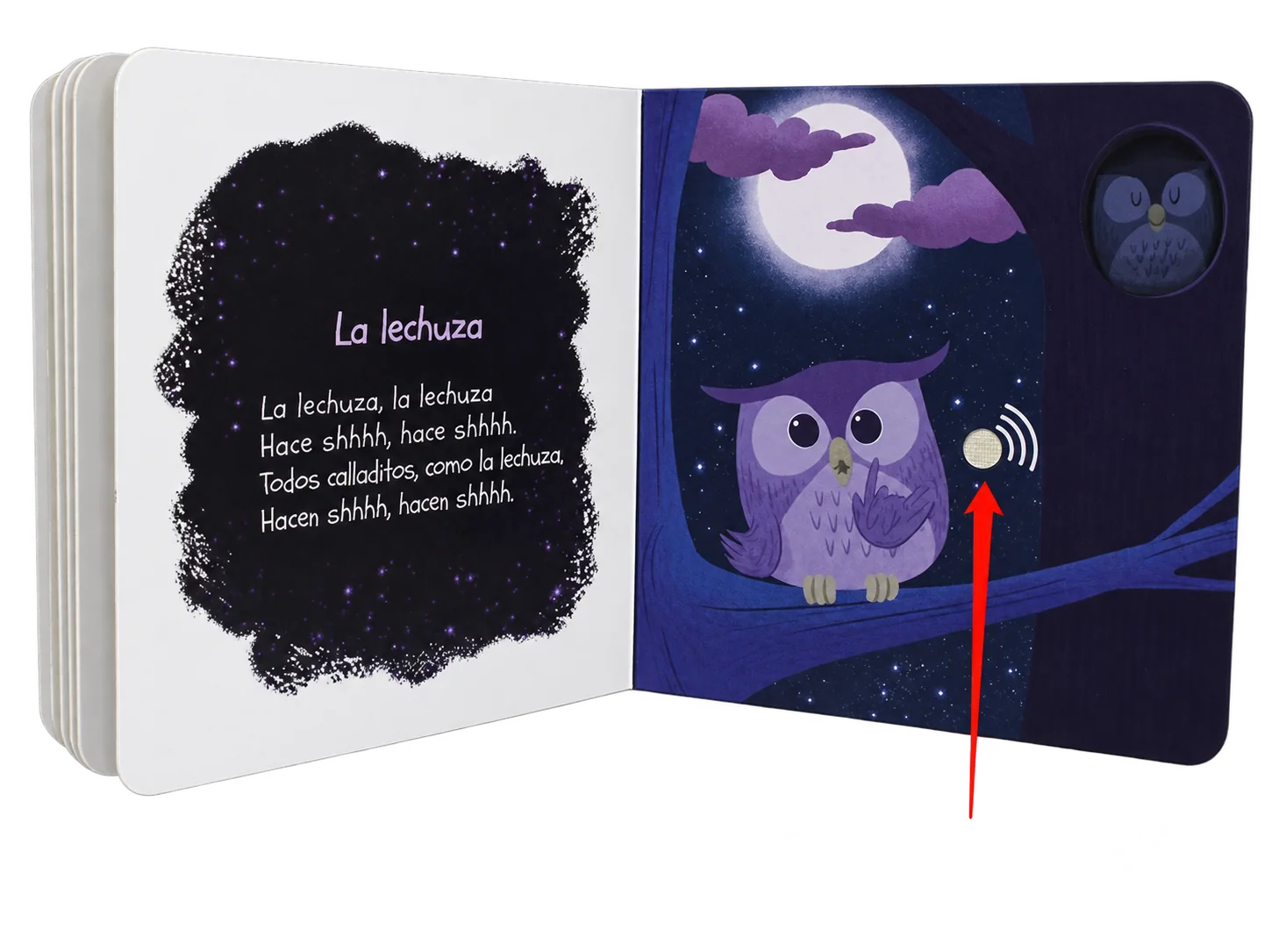 Product reference
SB-001
Product references from the company library. Availability, final specifications, artwork rights, MOQ and lead time are confirmed for each project.
Build a table with a unique content ID, page number, button position, printed cue, recording filename and expected behaviour. Include repeated presses, switching tracks and any stop control. A translated edition needs its own approved map because word length and editorial order can change. Keep this table with the artwork files so the electronics team and the publisher are working from the same version.
Discuss page construction, binding, sound-panel placement and battery access together. A beautiful cover does not confirm whether the housing fits the chosen page size. Review a physical mock-up for page turning, button reach and the way the book rests on a table. Ask which parts are existing platforms and which changes require new tooling. These decisions should be recorded before a production quotation is treated as final.
Approve pronunciation and editing first, then listen to the loaded audio in the complete book. The enclosure, speaker opening and assembly can change what the listener hears. Agree how track order, start and stop behaviour and volume will be reviewed. Use the same reference files when evaluating later samples; a different recording makes comparisons unreliable.
01 ↗A sound book project connects editorial content, printed pages and audio hardware.
Read the guide ↗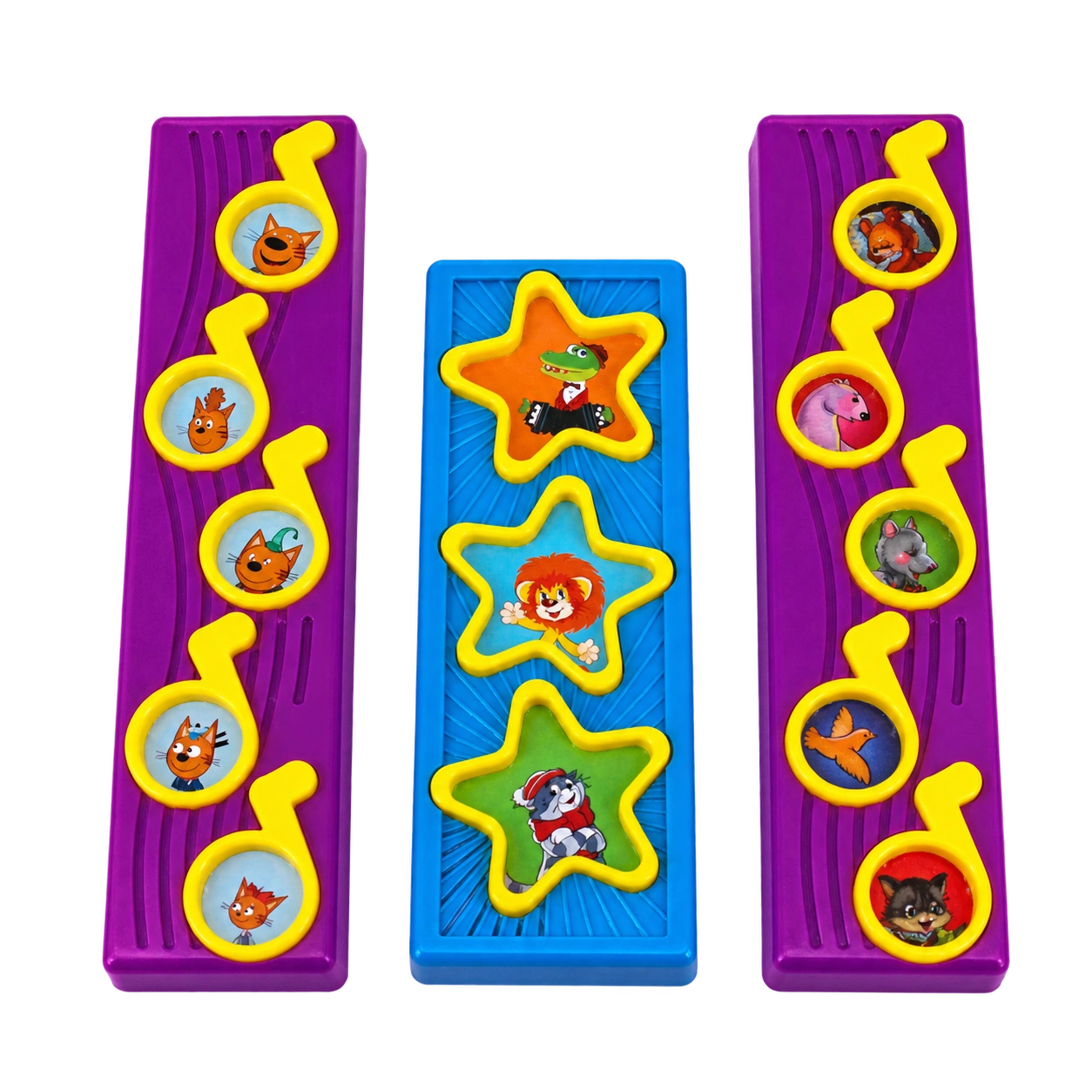 02 ↗
Start by describing what the user does: press a button, open a page, pull a tab or move a component.
Read the guide ↗Share your idea, target market and the details that matter.
Build a page-to-track map before recording. Identify which illustration, word or activity belongs to each button, then agree the playback sequence and how a child repeats a track.
Review the book and electronics together: page thickness, button access, battery compartment, speaker position and the final print proof all affect the finished experience.
Discuss this format ↗