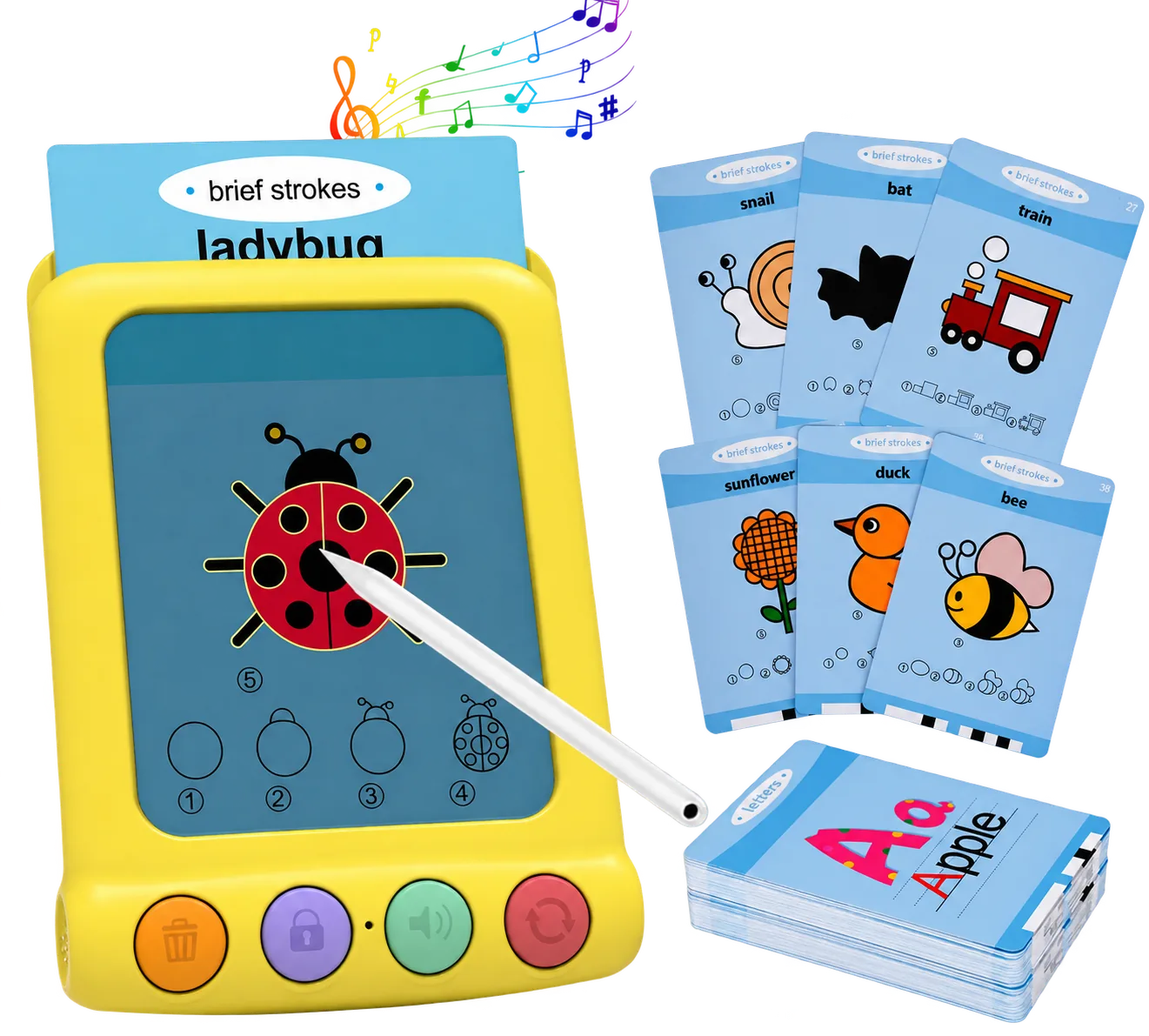
Begin with the intended user, sales channel and destination market. Include a product reference or drawing and explain what should remain unchanged. A request for a sound book, a plush toy and an electronic module can involve very different work even when all three play audio. Clear context helps the team identify the right starting platform and the questions that need an engineering review.
Describe the configuration behind the price
State the desired interaction, audio content, language editions, power approach and packaging. Give an expected order quantity or a range if the plan is still exploratory. Separate essential requirements from optional ideas so the proposal can distinguish a baseline configuration from alternatives. A meaningful comparison between quotations requires those configurations to be equivalent.
Provide controlled reference files
Include drawings or artwork previews, an audio manifest and representative recordings where available. Identify which material is approved and which is only an example. Clarify the rights and permitted uses of characters, music and graphics. Do not send several conflicting file versions without naming the master; the most recently uploaded file may not be the version that was approved internally.

State the delivery and assessment scope
Explain required packaging, labelling, documentation and the intended route to the destination market. Ask which cost elements are included, such as sample development, tooling, testing support or accessories. Agree the milestone definitions and approval dependencies rather than asking only for a calendar date. The plan changes if a necessary recording or artwork approval is delayed.
Use a project reference for follow-up
Keep a versioned brief and a decision log. When reviewing a proposal, compare scope, configuration, exceptions and responsibilities in addition to unit price. Record unresolved items explicitly. The catalogue project form on this website carries the selected product into a downloadable brief; it does not send an email or establish a confirmed quotation by itself.
Plan your project
- Trigger type and file sequence
- Audio workload and loading method
- Power, speaker and installation constraints
Editorial guidance for project planning. Product specifications and assessment plans are agreed for the actual configuration.