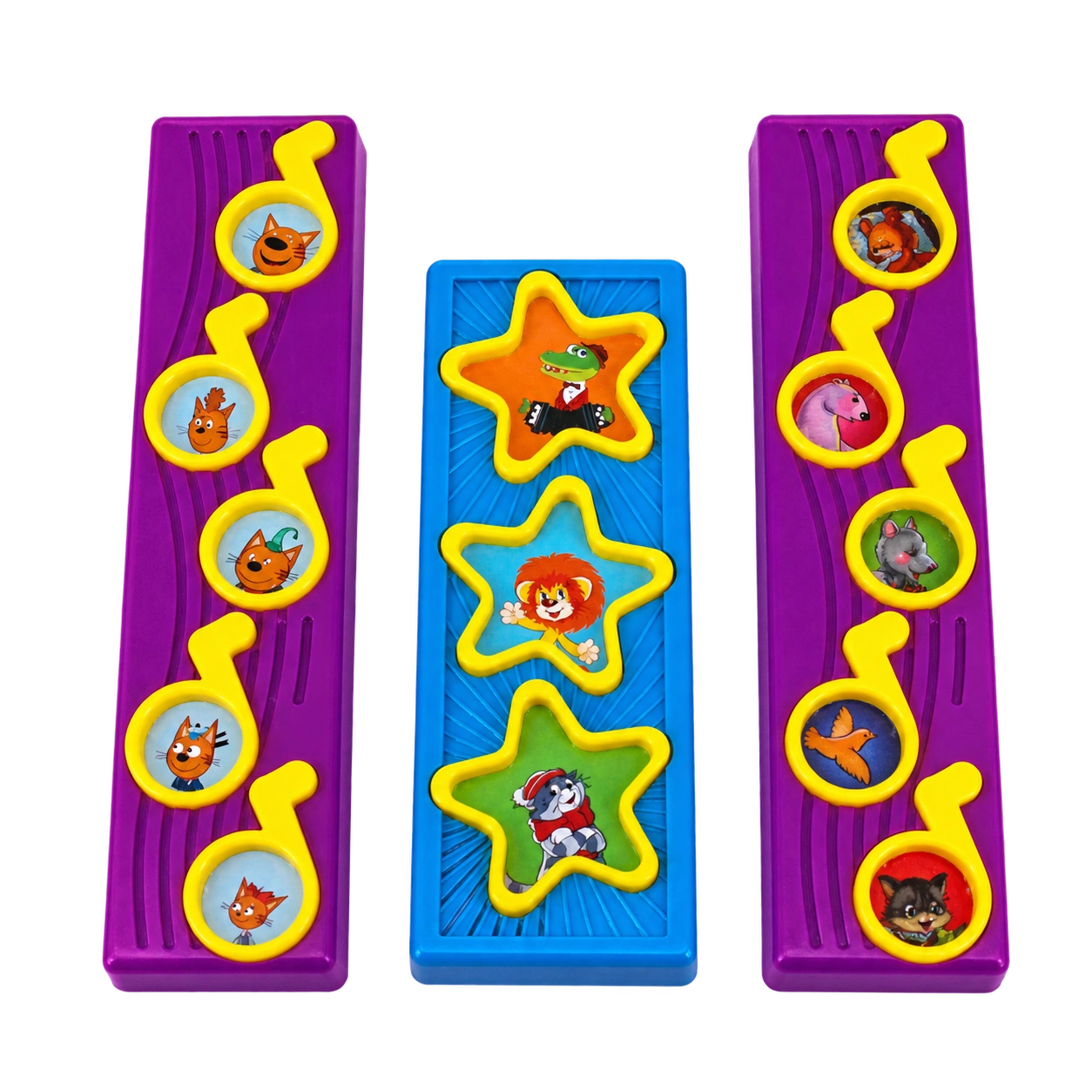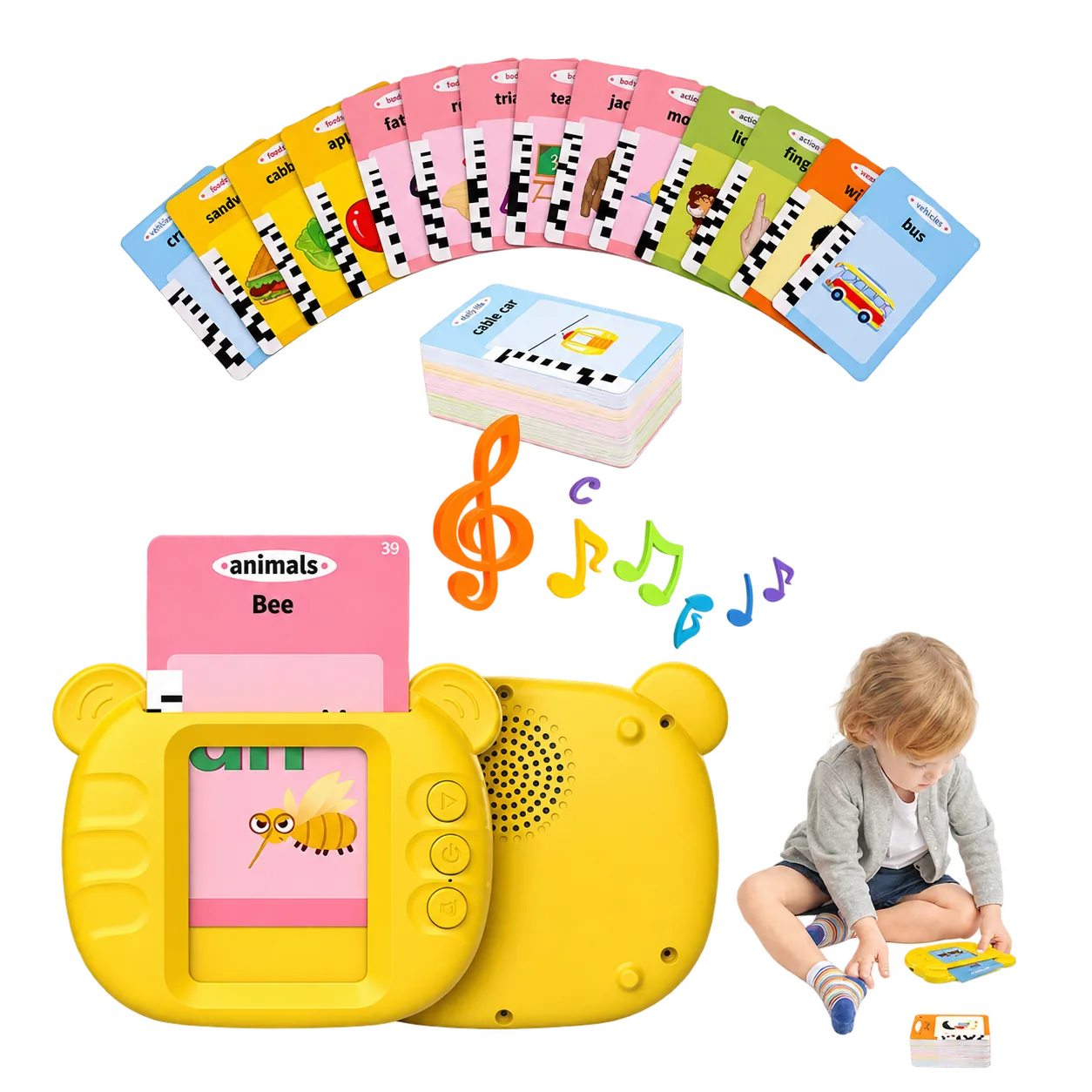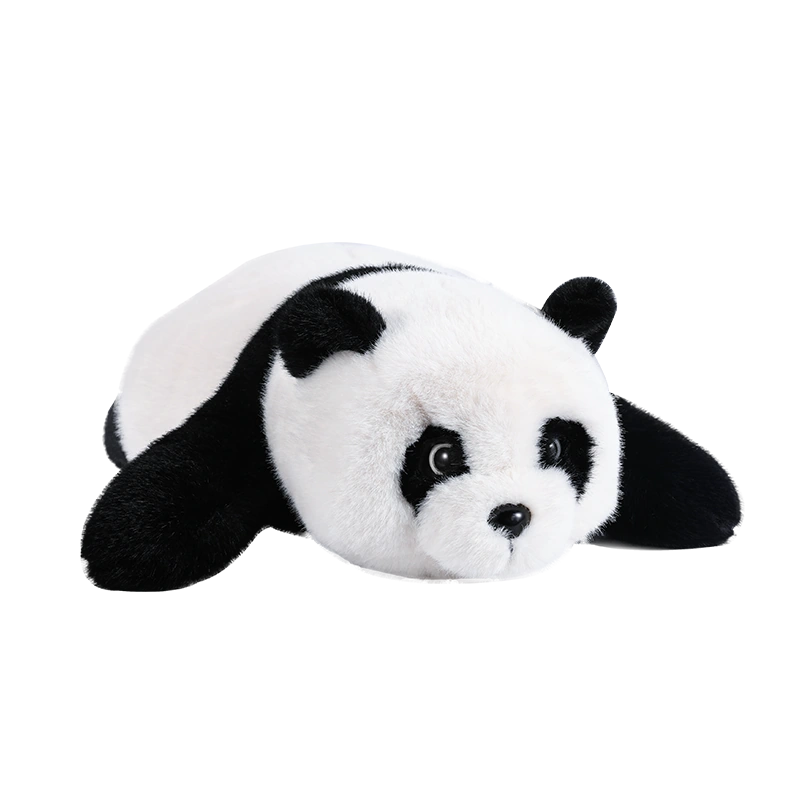
MOQ for a custom plush audio toy is determined by four inputs together: fabric minimums, tooling amortisation, electronic component minimums and packaging print runs. Changing one rarely moves the number on its own. Ask the supplier which of the four is currently the constraint, because that is the only one worth negotiating.
What MOQ actually covers
A quoted MOQ is not a policy number. It is the point at which the supplier can buy materials, run the line and still deliver a unit cost that both sides agreed to.
That means the same product can carry two different MOQs. A first run that uses existing tooling and a stocked fabric will be lower than a run that requires a new plush pattern and a new speaker housing. The product has not changed; the commitments behind it have.
- Fabric and trim minimums set by the mill
- Tooling and pattern development that must be spread across units
- Electronic component reel or carton minimums
- Packaging print runs, including colour and finish
The four inputs that move MOQ
Fabric suppliers sell by roll. A custom colour, a custom pile height or a custom backing will each raise the smallest quantity a mill is willing to run, and that number is passed through to you.
Tooling is the second input. Plush patterns use cutting dies; electronic assemblies may need a housing mould. A die is cheap relative to a mould, but both have to be paid for. The more new tooling a design requires, the more units are needed to bring the per-unit cost back to a normal level.
| Input | What raises it | What lowers it |
|---|---|---|
| Fabric | Custom colour, custom pile, special backing | Stocked fabric from the mill's current range |
| Tooling | New plush pattern, new housing mould, new die set | Reusing an existing platform or a previous pattern |
| Electronics | Custom PCB, uncommon speaker, special sensor | Existing module and standard components |
| Packaging | Custom box, foil or spot colour, inserts | Plain box with a printed label |
Where MOQ hides in the quotation
Most quotations list a single MOQ at the top, but the binding constraint is often buried further down. Look for lines that mention tooling, screen charges, plate charges or setup fees. Each of those is a one-time cost that has to be recovered somewhere, and the recovery point is usually expressed as an MOQ.
Also check whether packaging is quoted inside or outside the unit price. Packaging is frequently quoted separately, and a separately quoted box can carry its own minimum that is higher than the product MOQ.
- Is tooling quoted as a one-time charge or absorbed into the unit price?
- Is packaging inside or outside the quoted unit cost?
- Does the MOQ apply per colourway or per total order?
- Are sample charges deductible against the first production order?
How to lower MOQ without losing quality
The reliable way to reduce a minimum is to remove variety, not quality. Choose a stocked fabric rather than a custom dye lot. Keep the plush pattern and change the print or embroidery instead. Use an existing electronic module and change the content rather than the hardware.
A second option is a phased order. Some suppliers will accept a smaller opening run if the tooling is paid separately and a follow-up volume is committed in writing. That arrangement needs the follow-up commitment to be specific about timing and quantity, otherwise it is simply a discount request.
- Reduce colourways before reducing specification
- Reuse an existing pattern and vary surface decoration
- Use a standard module and customise the content layer
- Pay tooling separately to unlock a smaller opening run
What to confirm before approving a quote
Before a quotation becomes an order, make sure the numbers you are comparing describe the same scope. Two quotes with different MOQs are not comparable if one includes packaging and the other does not, or if one assumes existing tooling and the other assumes new tooling.
Ask for the constraint to be stated explicitly. A supplier who can name the specific input driving the MOQ can usually also tell you what would happen to the number if that input changed. That is a more useful conversation than asking for a lower minimum directly.
- Which of the four inputs is currently driving the MOQ?
- What changes if tooling is paid separately?
- Is packaging included, and does it carry its own minimum?
- Does the MOQ apply per colourway, per size or per order?
- What is the delivery window for that quantity?
Plan your project
A defined brief shortens every downstream conversation. Describe the intended user, the setting, the interaction and the target market before asking for a quotation. With those four points fixed, both the MOQ and the unit cost can be discussed against a shared assumption instead of a range.