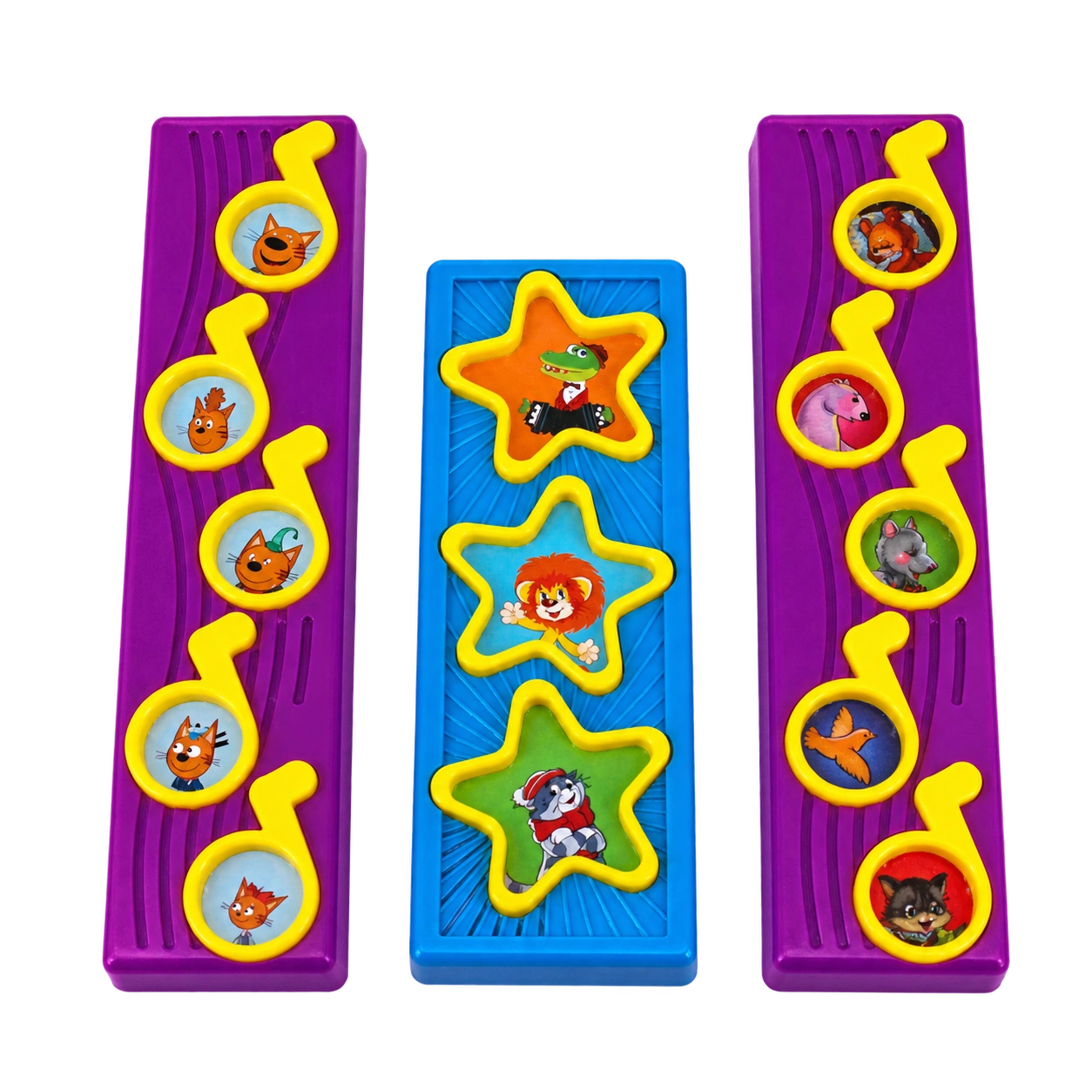
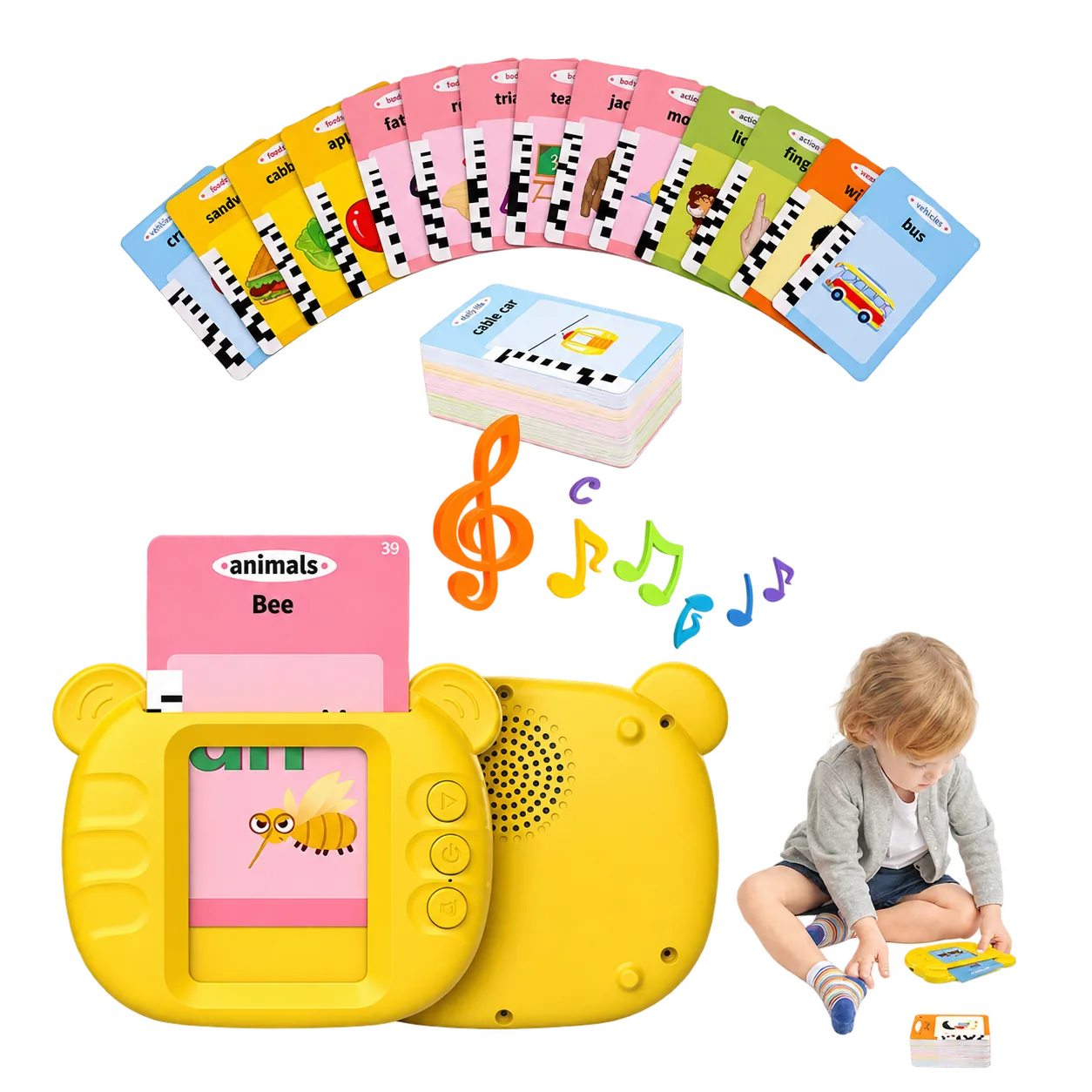
A sound book project connects editorial content, printed pages and audio hardware. Start with the intended reader, the reading situation and the action that should produce a sound. A single song on the cover, a bank of picture buttons and page-by-page playback are different product briefs. Choose the interaction before finalising the artwork: the button area and speaker housing affect the usable page layout.
Create a page-to-audio map
Build a table with a unique content ID, page number, button position, printed cue, recording filename and expected behaviour. Include repeated presses, switching tracks and any stop control. A translated edition needs its own approved map because word length and editorial order can change. Keep this table with the artwork files so the electronics team and the publisher are working from the same version.
Resolve the physical format
Discuss page construction, binding, sound-panel placement and battery access together. A beautiful cover does not confirm whether the housing fits the chosen page size. Review a physical mock-up for page turning, button reach and the way the book rests on a table. Ask which parts are existing platforms and which changes require new tooling. These decisions should be recorded before a production quotation is treated as final.

Review sound in the assembled book
Approve pronunciation and editing first, then listen to the loaded audio in the complete book. The enclosure, speaker opening and assembly can change what the listener hears. Agree how track order, start and stop behaviour and volume will be reviewed. Use the same reference files when evaluating later samples; a different recording makes comparisons unreliable.
Turn the sample into an approval record
A sample approval should identify the artwork revision, audio revision, hardware configuration and packaging. Photograph the agreed details and log exceptions separately. Confirm the intended destination market and the assessment plan with the supplier and a suitable laboratory. MOQ, timing and testing depend on the agreed configuration; a product-family photograph does not establish those terms for a new edition.
Plan your project
- Page format, binding and button layout
- Page-to-audio mapping and print revisions
- Sample approval for the assembled book
Editorial guidance for project planning. Product specifications and assessment plans are agreed for the actual configuration.