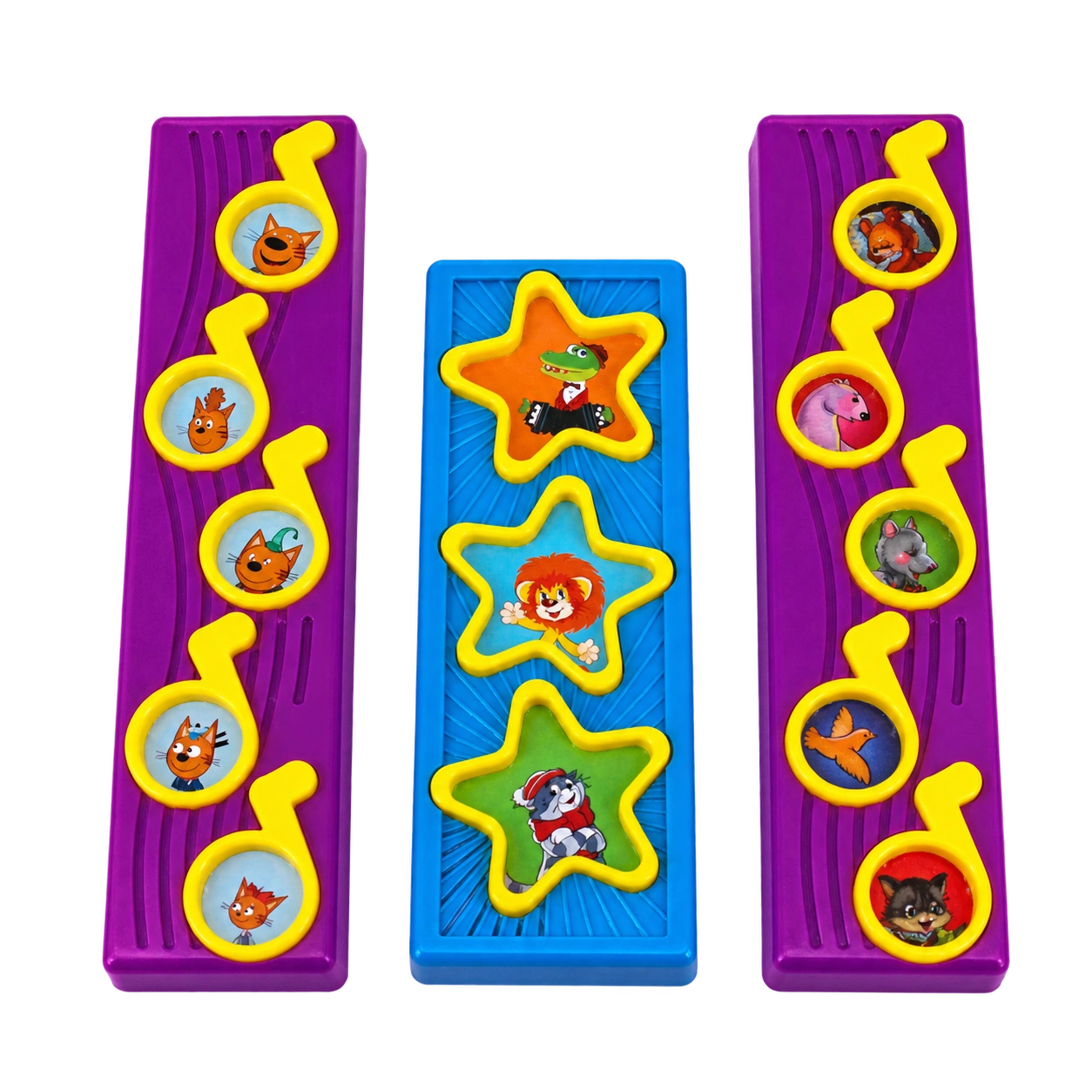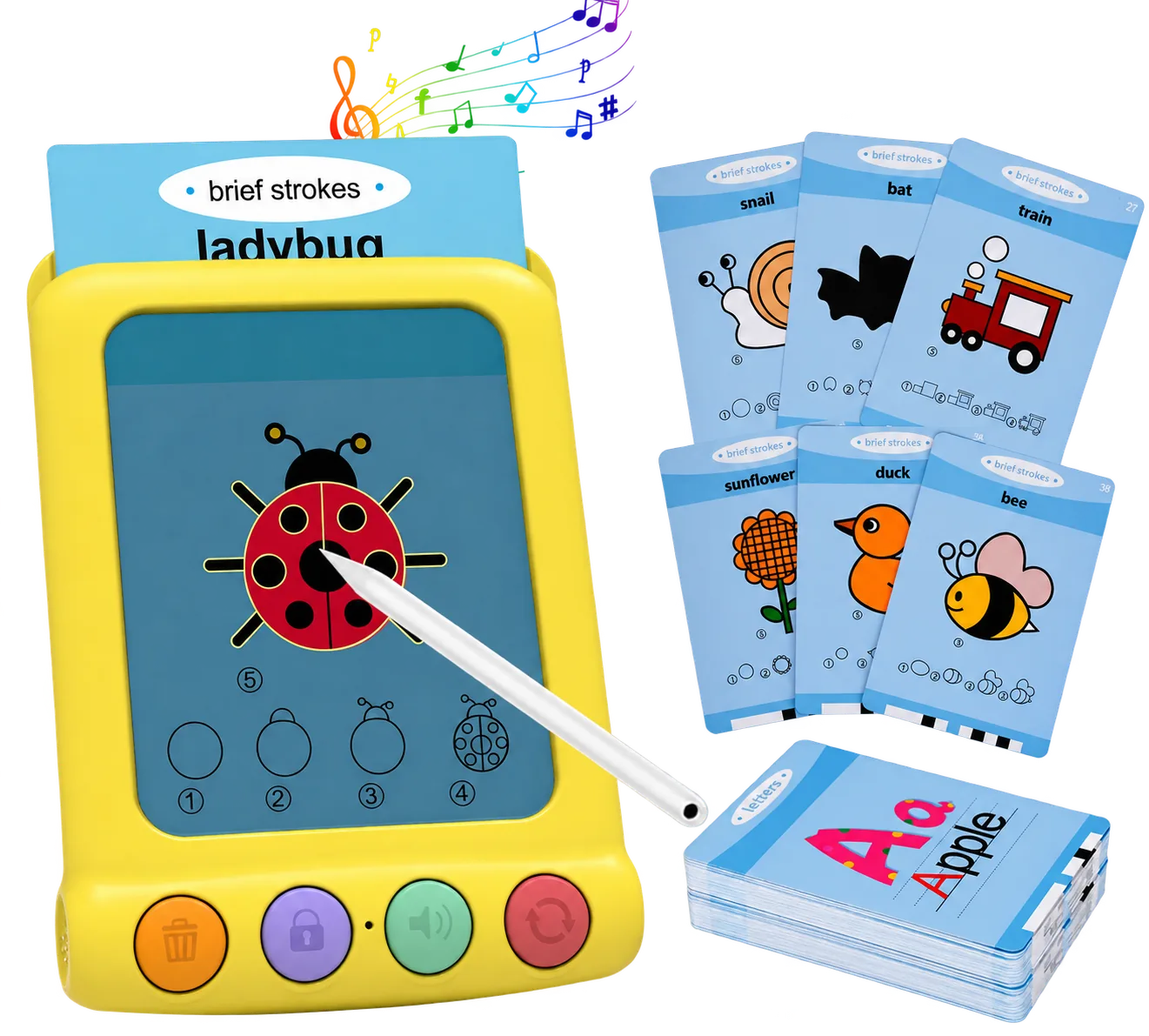
Start with the content structure: words, pictures, phrases, songs or another defined learning activity. Decide what the learner should do with a card and what feedback is expected. The number of printed cards does not by itself define the number of unique interactions. Clarify repeated content, alternate sides and any sequence or mode selection before reviewing enclosure colours.
Build a content-to-card manifest
Assign an ID to each card or interaction and connect it to the printed artwork, language and audio file. Define the intended orientation and the expected response to an unsupported or incorrectly inserted card. The exact recognition method depends on the product configuration; do not assume that visually similar card devices share interchangeable cards or loading methods.
Review the physical interaction
Check card handling, insertion, controls and the way the device sits in use. Include packaging and card storage in the review because a collection that is easy to demonstrate may be difficult to keep organised after opening. If a drawing surface or additional activity is part of the brief, define its operation separately instead of assuming it is included in every reader platform.
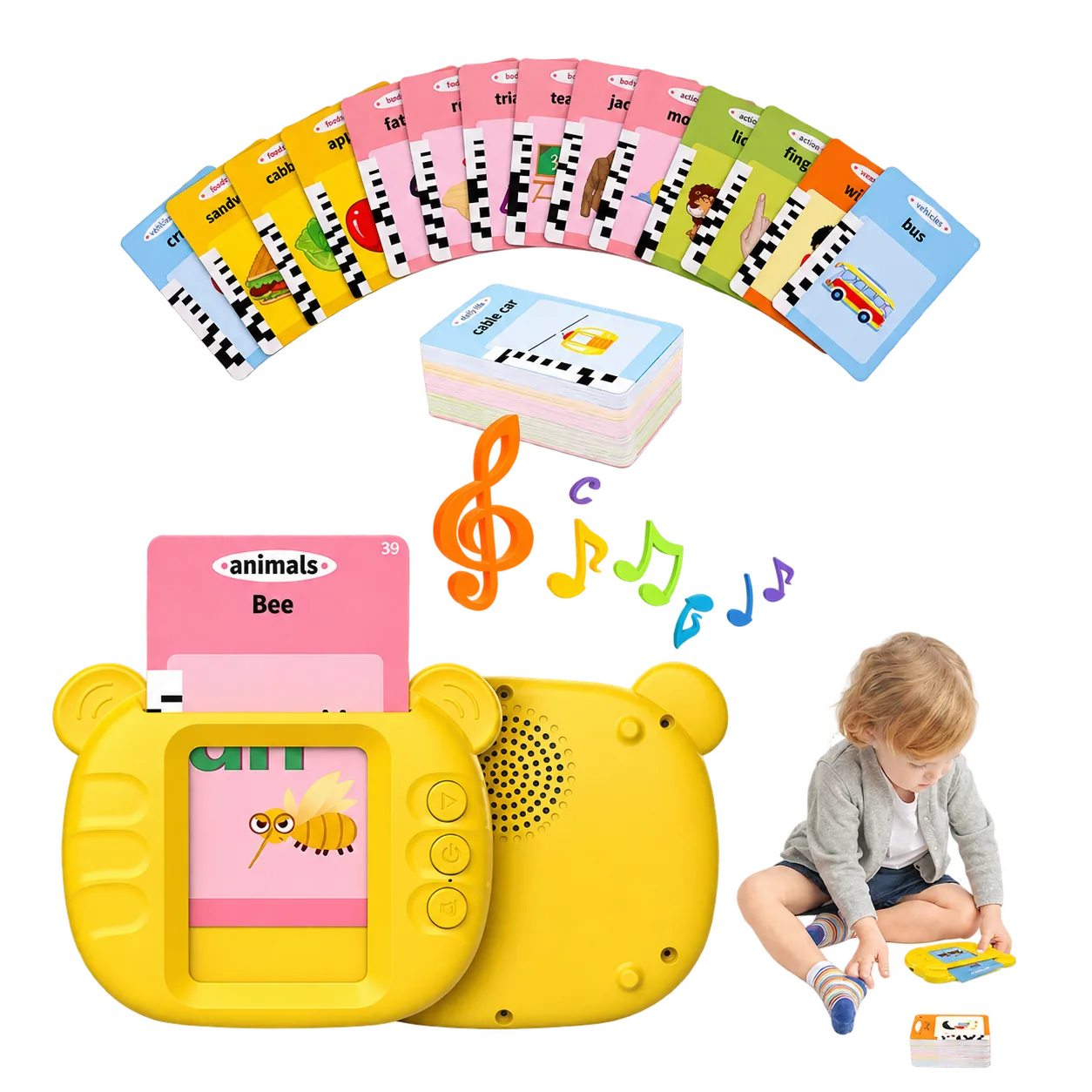
Prepare each language as a complete edition
Match the spoken term to the printed image and learning objective. Confirm pronunciation and any alternate expressions with a reviewer for the target audience. Keep audio files and artwork under the same version scheme. For multilingual editions, define how the user selects the language and how that selection is communicated in the instructions.
Verify the complete set
Use a controlled list to check every content mapping and the contents of the packed set. Record the approved sample and any acceptable changes. A demonstration of a few cards cannot establish that the entire collection is mapped correctly. Confirm quantities, configuration, market requirements and inspection scope for the actual project.
Plan your project
- Card or content identifiers and audio mapping
- Controls, card orientation and storage
- Language edition and complete-set review
Editorial guidance for project planning. Product specifications and assessment plans are agreed for the actual configuration.